
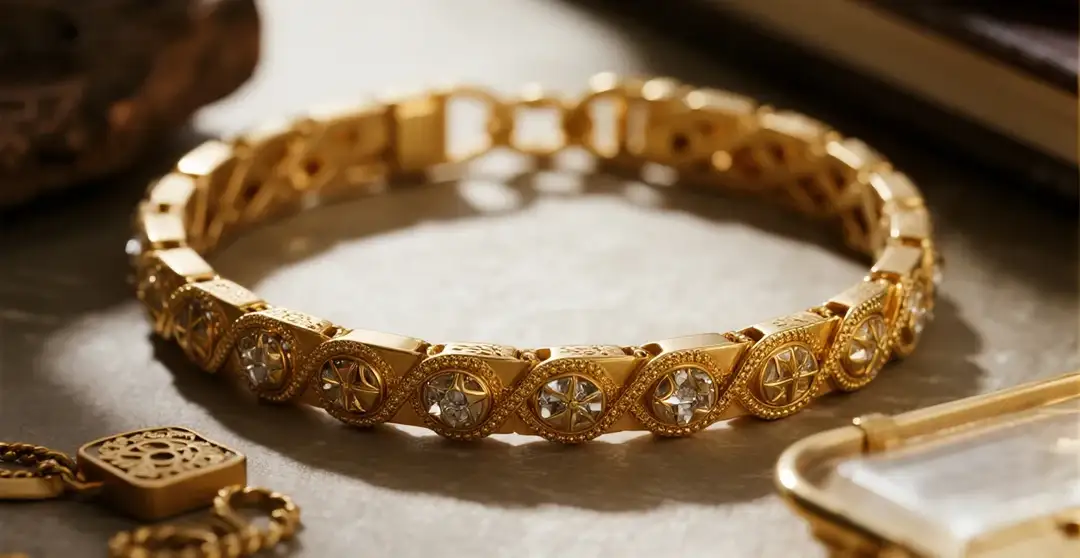
Understanding the purity of gold: the mystery of 10K, 14K and 24K
Understanding the concept of “Karat” (K for short) is a crucial first step when choosing a gold bracelet. Karat is the international standard for measuring the purity of gold, which indicates the proportion of gold in an alloy.
Pure gold is defined as 24K, which means that it contains 99.9% or more pure gold. When gold is mixed with other metals (e.g. silver, copper, zinc, etc.) to form an alloy, its purity decreases and is expressed as a value lower than 24K.
The percentage relation between Karat and pure gold content is as follows:
- 24K gold: Theoretically 100% pure gold (actually 99.9% or more).
- 18K gold: contains 75% gold (18/24 = 0.75);
- 14K gold: contains 58.3% gold (14/24 ≈ 0.583).
- 10K gold: 41.7% gold (10/24 ≈ 0.417)
Different karat values not only represent differences in gold content, but also have a direct impact on the physical properties, appearance and value of gold bracelets.
The higher the purity of gold, the more golden its color, the softer is the texture, but also the higher the value retention; while the purity of the lower K gold, due to the addition of other metals, the hardness will be higher, wear resistance is better, the color may also present a more diverse range of shades (eg, rose gold, platinum) but the value retention attributes of gold itself will be relatively weaker.
In addition, different alloy compositions may also affect the wearer’s allergic reaction; the purer the gold, the lower the risk of triggering allergies is usually.
Authoritative quote:
* According to the Gemological Institute of America (GIA), a krat is a measure used to express the purity of gold, with 24 karat representing pure gold. The lower the karat number, the less gold there is, but usually the harder it is.” (Source: GIA official website Jewelry Encyclopedia)
10K Gold Bracelets: Durable Choice for Daily Wear
10K Gold bracelets are a relatively low purity of gold with a gold content of 41.7%.
This lower percentage of gold means that a higher percentage of other metals are added to the alloy, which gives 10K gold its unique physical properties and makes it ideal for everyday wear.
Gold content and characteristics
- 10K gold is 41.7% gold and the remaining 58.3% of other metals such as silver, copper and zinc
- This alloy ratio gives the 10K gold bracelet excellent hardness and durability, far exceeding that of pure gold.
- It has a relatively high melting point and is less prone to deformation or scratching, making it ideal for active lifestyles.
Benefits:
- Affordable: Due to their lower gold content, 10K gold bracelets are usually more cost-effective on the market, making them ideal for consumers on a budget.
- Resistant to scratches and deformation: Its high hardness makes it less vulnerable to scratches or deformation during use, making it durable.
- Ideal for everyday wear and active occasions: Whether for commuting, sports or housework, the 10K gold bracelet can easily cope with it and is not easily damaged.
- NOT EASY TO WEAR OUT: The sturdy nature of the bracelet ensures long-lasting beauty.
Disadvantages:
- Relatively light color: The color of 10K gold is usually pale yellow or has a slight white tint, which is a marked difference from the full golden color of 24K gold, some consumers may prefer a more pure gold color.
- Lower purity: 10K gold may not meet the expectations of consumers who want the preservation of gold value or the ultimate in purity.
- Possible allergy risk for some sensitive skin types: Although the chances are not high, people who are sensitive to metals such as nickel may experience an allergic reaction when wearing it.
Applicable people/scenarios:
- 10K gold bracelets are particularly suitable for people with limited budgets who want to own gold jewelry;
- people who are seeking extreme durability, need to wear jewelry frequently and have a high level of activity, such as students, office workers and sports enthusiasts;
- as well as an entry-level fashion accessory.
14K Gold Bracelet: Classic balance of beauty and versatility
14K gold bracelets occupy a dominant position in the gold market and are considered to be the best balanced choice between gold, hardness and price.
With a gold content of 58.3%, it is the most popular gold purity internationally, especially in the European and American markets.
Gold content and characteristics:
- 14K gold contains 58.3% pure gold, combining the luster of gold with the strength of an alloy.
- This ratio allows it to retain the classic color and lustre of gold while having enough strength to withstand daily wear and tear and is relatively reasonably priced to meet the needs of most consumers.
Advantages:
- Full color and close to pure gold: 14K gold has a more golden color and a better shine than 10K gold, which shows the charm of gold without being too soft like 24K gold.
- Good hardness and wear comfort: its moderate hardness is not easy to deform but not too heavy, comfortable to wear.
- The widest selection on the market: Because of its superior overall performance, most jewelry brands offer a large selection of 14K gold bracelets, including a variety of chains, settings and designs.
- The hardness of 14K gold allows it to be worked into a wide range of fine, intricate openwork or inlay designs, providing designers with a wide variety of creative possibilities.
- Compared to 10K gold, 14K gold has a higher gold content and less alloying, making it less likely to cause allergies for most people.
Disadvantages:
- More expensive than 10K gold: Naturally, due to the higher gold content, 14K gold bracelets will cost more than 10K gold.
- Slightly less hard than 10K gold: Although durable, it is slightly less hard than 10K gold, although this difference in everyday wear is not noticeable.
Applicable people/scenarios:
- 14K gold bracelets are suitable for consumers who seek both quality and everyday wear;
- those who value style variety and want more design options;
- and as a good gift for important anniversaries, birthdays, etc.
Charm of 14K Gold Charm Bracelet
14K Gold Charm Bracelets are ideal for making charm bracelets due to their excellent malleability and durability. The charm of these bracelets is that they are highly personalized and memorable.
The wearer can choose different charms to hang on the chain according to their preferences, experiences or important moments, each representing a story, an emotion or a memory.
From birthday stones to travel souvenirs, from hobbies to family symbols, charm bracelets have become a unique vehicle for recording life’s journey. Its potential for customization is unlimited, making each charm bracelet unique.
Features of 14K gold men’s bracelets
14K gold is also a popular material for men’s bracelets. 14K gold men’s bracelets usually emphasize a sense of strength, calmness and taste.
Common styles include bold chain styles (e.g., Cuban chains, Figaro chains), simple square chains and even personal designs which feature leather or other materials.
The designs range from simple and understated to bold and flamboyant, and there is a 14K gold style for everyone.
Men wearing 14K gold bracelets do not only show the recognition of the value of gold but also through its moderate hardness to ensure the comfort and durability of daily wear, a perfect fit for masculinity and pragmatism of men.
24K Pure Gold bracelet: a symbol of luxury and pure value
24K gold is the highest purity gold theoretically containing 100% pure gold (the actual standard is not less than 99.9% gold content).
It represents the most original and pure state of gold and is a symbol of wealth, status and culture. 24K gold is 100% pure gold without any other metallic impurities.
It gives it its unparalleled gold color and extremely high density, but pure gold has a very soft texture, which is both its advantage and disadvantage.
Advantages:
- Full golden color: 24-carat gold exhibits the deepest, richest yellow gold color with the best luster, exuding unparalleled luxury.
- Optimal Luster: Pure gold has a warm, sparkling luster that is unmatched by other karat golds.
- High potential for value retention and appreciation: The value of 24K gold depends entirely on the gold real-time price, so it has a very high potential for value retention and investment, and is the best choice for protecting against inflation and inherited wealth.
- In many cultures, pure gold is seen as a symbol of luck and wealth and is often used at weddings, festivals and other important occasions as well as an important investment product.
Disadvantages:
- Soft texture: 24K gold is very soft, easy to scratch and even deformed when strained by external forces.
- Not suitable for heavy daily wear: it is recommended that it be worn only on certain occasions or as a collector’s item.
- The most expensive: 24K gold bracelets are without a doubt the most expensive of all gold purities.
Applicable people/scenarios:
- 24K gold bracelets are suitable for those who pursue extreme purity and value preservation,
- mainly used for special occasions, such as weddings, celebrations, important parties,
- using them as collectibles or investments,
- and consumers who emphasize traditional cultural symbolism and wealth inheritance.
Style characteristics of 24K gold bracelets for women
24K gold bracelets for women are usually characterized by their traditional, elegant and delicate styles to highlight the preciousness and luster of pure gold.
Due to its softness, designers will avoid overly complicated inlays or slim structures, instead preferring solid, woven, openwork or carved techniques to ensure the bracelets solidity.
For example, classic dragon and phoenix patterns, floral patterns and retraced patterns are commonly found on 24K gold ladies bracelets, carrying good wishes and symbols.
In weddings, birthdays, celebrations and other important occasions, wearing a 24K gold bracelet not only highlights the noble temperament of the wearer, but also the respect and inheritance of traditional culture.
How to choose the right gold bracelet for you? Comprehensive Consideration Guide
Choosing a perfect gold bracelet is a personal decision that requires comprehensive consideration of several factors.
Budget consideration:
- 10K gold: limited budget, cost-effective and durable
- 14K gold: seeking a balance of gold color, hardness and price, with a wide selection of styles on the market.
- Gold 24K: enough budget, pursuit of extreme purity, value preservation and cultural significance, or for investment collection
Wearing occasions and frequency:
- Daily wear (high frequency): It is recommended to choose 10K or 14K gold bracelets with higher hardness which are more resistant to wear and deformation.
- Special occasions (low frequency): 24K gold bracelets are ideal, its pure luster can highlight the dignity.
Personal skin tone and preference:
- Fair skin with bluish veins: Lighter shades of 10K gold or rose gold (14K or 18K alloys) may complement your skin tone
- Warm tone skin: Yellowish skin with greenish veins. A full-bodied, golden yellow 14K or 24K gold will brighten the complexion.
- All K gold colors are suitable.
Chain types:
- Commonly available are snake – bone chains (smooth fit), O – chains (versatile and simple), box chains (strong lines), Cuban chains (bold and atmospheric) and so on.
- Consider comfort and personal style when choosing: Charm bracelets (such as Charm Bracelet) can be personalized and are suitable for recording special meanings, plain chains without charms are more simple and classic.
With or without gemstones:
- Gold bracelets with diamonds and colored gemstones are more decorative, but pay attention to the quality of the gemstones and how securely they are set.
Size and weight:
- Make sure the bracelet is the right length, comfortable to wear and not likely to slip or become too tight. Weight affects the feel and value of the bracelet.
Gender considerations:
- Men’s bracelets tend to choose a more rugged, simple, powerful chain style such as Cuban Chain, Figaro Chain or a combination of leather, black stones and other materials to show masculinity and personality.
- Women’s bracelets: A wider range of choices, from delicate and slim plain chains to ornamental designs with gemstones, from traditional and elegant 24K gold styles to fashionable and versatile 14K gold charm bracelets.
Brand and certificate:
- Choose a reputable brand: Well-known brands usually have strict quality control and perfect after-sales service.
- Ask for authoritative certificates: When you purchase, be sure to ask for the gold appraisal certificate issued by authoritative institutions (such as the GIA Gemological Institute of America, China’s National Jewelry and Jade Quality Supervision and Inspection Center GTC, etc.), to ensure that the purity of the purchased product, the weight of the real and credible.
- This is an important certificate to protect your rights and interests.
the daily maintenance and cleaning of gold bracelets: to extend the life of the sparkling
Correct daily maintenance and cleaning is the key to keep the shine of gold bracelet and extend its life.
Storage tips:
- Avoid mixing with other jewelry: different hardness of jewelry rubbing each other easily leads to scratches, especially for 24K gold such as soft texture of gold jewelry is more so.
- Use a separate jewelry box or soft cloth bag: After each wear, store your gold bracelet separately in a lined jewelry box or soft cloth bag to avoid dust and airborne pollutants.
- Keep away from humidity: Humidity can accelerate the oxidation of other metals in karat gold, resulting in discoloration.
Avoid contact:
- KEEP AWAY FROM CHEMICALS: Perfumes, hairsprays, cosmetics, chlorine, detergents, spa water, etc. contain chemicals that can corrode or damage gold and even cause a discoloration of K-gold.
- Avoid violent collision and friction: Avoid wearing it during physical labor or sports to prevent scratching or deformation Especially for the soft 24K gold.
Daily cleaning method:
- Mild soapy water + soft cloth wipe method: this is the safest and most effective daily cleaning method.
- Soak the gold bracelet for about 10-15 minutes in mild soapy water (or neutral detergent water), gently scrub the crevices and surfaces with a soft brush (such as an old toothbrush) and then rinse it with water and finally dry it with a soft, clean cloth (such as eyeglasses cloth).
Use of ultrasonic cleaners:
- Ultrasonic cleaners are effective in removing dirt, but should be used with caution or in consultation with a professional for gold bracelets set with gemstones (especially fragile gemstones such as emeralds, pearls, opals, etc.) or complex structures.
- Excessive vibration frequency may result in loosening of the gemstones or damage to the internal structure of K-gold.
Professional maintenance:
- It is recommended to take your gold bracelet to a professional jeweler for deep cleaning and inspection every year or every six months.
- Professionals will use specialized equipment and techniques to remove stubborn stains and check the bracelet’s clasps, soldering points and gemstone settings to see if they are secure, and repair any problems that may arise in a timely manner.
According to Cartier, the world’s leading jewelry brand:
All jewelry should be sanitized regularly and avoided from chemicals such as bleach and detergents to maintain its beauty and shine. Professional jewelry care advice can help extend the life of your jewelry (Source: official Cartier website jewelry care guide)
VII. Frequently Asked Questions (FAQ)
Below are some frequently asked questions about gold bracelets and their answers that hopefully will help you understand and choose better.
Question 1: Which is better, 10K, 14K or 24K gold bracelet?
Answer: There is no absolute “best”, but only the one that suits you best.
- Gold 10K is durable and economical, suitable for daily wear of high frequency;
- 14K gold has the best balance between color, hardness and price and is the mainstream of the market, with a wide range of styles to choose from;
- 24K gold represents ultimate purity and value retention and is more suitable for collection or special occasions.
It is more suitable for collection or special occasions, which one you choose depends on your personal needs, budget and wear habits.
Question 2: “Are gold bracelets allergic?”
Answer: Pure gold (24K gold) is an inert metal and rarely causes allergies.
However, K gold (such as 10K and 14K gold) is an alloy of gold and other metals, and the nickel, copper and other components in it may cause allergic reactions such as redness and itching of the skin in a few people who are allergic to these metals.
If you have sensitive skin, it is recommended to choose high karat gold (such as 18K or 24K) or alloys that are clearly labeled as “nickel-free”.
Question 3: “Will gold bracelets lose their color?”
Answer: Pure gold (24K gold) will not lose its color, because it is golden yellow.
k gold (such as 10K, 14K) will not lose its color, but the non-gold components may have chemical reactions with sulfur, chlorine and other substances in the air resulting in oxidation of the surface darkening or loss of the original luster.
In addition, some K gold products (especially white K gold) surface may be rhodium-plated if the plating wears may reveal the color of K gold itself, but these cases can be restored or even re-plated by professional cleaning and polishing.
Question 4: “How can I recognize a real or fake gold bracelet?”
Answer Key: There are a few basic ways to recognize a real or fake gold bracelet:
- Best gold jewelry usually has a steel seal indicating the purity (such as “Au750” for 18K, “Au585” for 14K, “Full Gold” or “Thousand Gold” for 24K) and brand name.
- Observe the color and luster: real gold color is pure, luster warm. Fake gold or gold-plated may be too harsh or dull color.
- Density test: gold is denser, the same volume of gold bracelets will be heavier than other metal bracelets. But this requires specialized tools.
- Sound test: pure gold landing sound muffled while alloy or fake gold sound may be more crisp.
- The most reliable method is to seek professional appraisal
Send the bracelet to a qualified jewelry appraisal institution (e.g., the National Jewelry and Jade Quality Supervision and Inspection Center, provincial and above jewelry testing institutions) for professional testing and obtain an authoritative test report.
About the author : vinux

Recent Post
Popular products
-
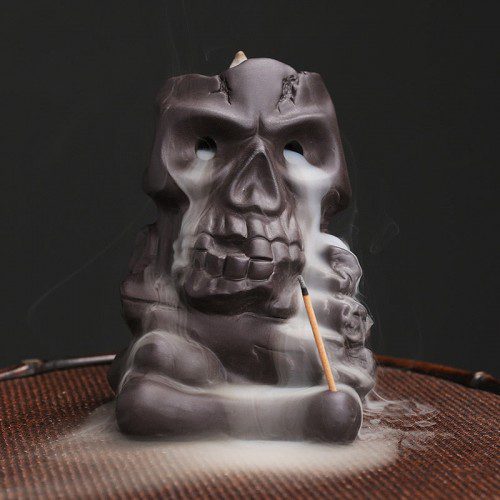 Skull Backflow Incense Burner - Halloween Theme
Original price was: $47.11.$34.50Current price is: $34.50.
Skull Backflow Incense Burner - Halloween Theme
Original price was: $47.11.$34.50Current price is: $34.50.
-
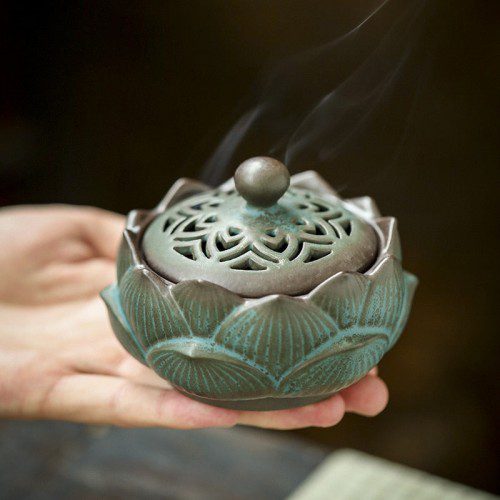 Handcrafted Lotus Ceramic Incense Holder with Coil
Original price was: $39.80.$29.28Current price is: $29.28.
Handcrafted Lotus Ceramic Incense Holder with Coil
Original price was: $39.80.$29.28Current price is: $29.28.
-
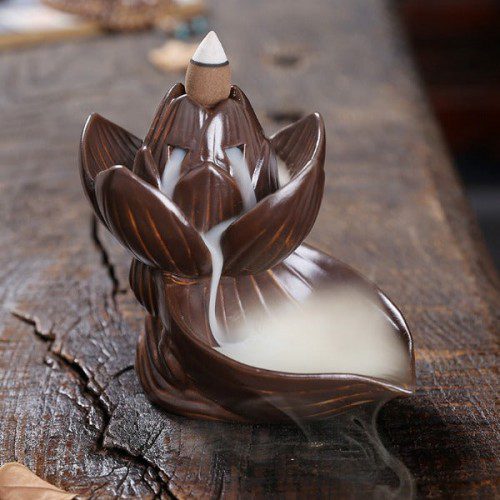 Exquisite Lotus Blossom Incense Holder
Original price was: $48.26.$35.15Current price is: $35.15.
Exquisite Lotus Blossom Incense Holder
Original price was: $48.26.$35.15Current price is: $35.15.
-
 Lotus Pond Creative Incense Cone Burner with Butterfly
Original price was: $42.09.$31.27Current price is: $31.27.
Lotus Pond Creative Incense Cone Burner with Butterfly
Original price was: $42.09.$31.27Current price is: $31.27.
