
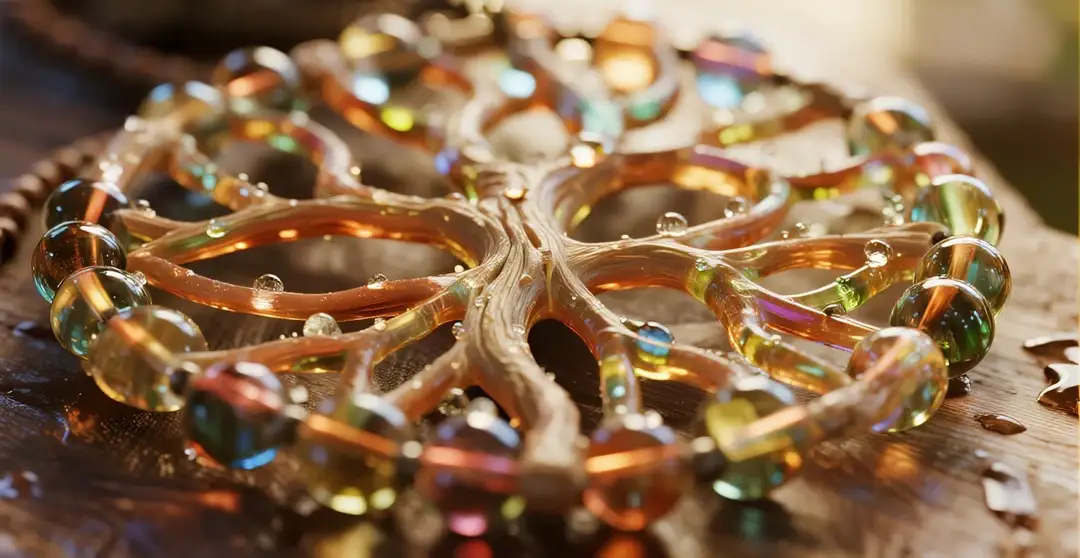
History, culture and symbolism
The Tree of Life Necklace — Uncovering the Tree of Life Necklace: not just a piece of jewelry, but an expression
Jewelry, especially necklaces, have transcended their material value since ancient times. They are not only objects to decorate the neckline, but also a unique medium to convey personal feelings, beliefs, cultural messages and generational memories.
Among the many symbolic necklace designs, the Tree of Life necklace has attracted countless wearers and enthusiasts with its unique and profound symbolism. Its charm lies not only in its exquisite shape, but also in the spiritual connotation that transcends culture and time.
The Tree of Life, as an ancient and universal symbol, is found in myths, religions, philosophies and art in almost every part of the world. It connects the heavens and earth and symbolizes the everlasting life force, wisdom, growth, family, shelter and eternity.
This article will explore the historical origins of the Tree of Life necklace, its multicultural symbolism and its significance in modern society, helping readers to understand this unique accessory more fully so that they can give it a deeper personal value and emotional attachment when choosing and wearing it. Understanding its significance will enable you to appreciate its beauty more deeply and choose a treasure that resonates with your soul.
The core symbolism of the Tree of Life Necklace: what does it say?
The central symbolism of the Tree of Life Necklace is the source of its fascination as it speaks to the wearer and the onlooker of the mysteries of life and the universe in a vivid and multidimensional way.
The most universal and central meaning is that of connection and circulation.
The roots of the Tree of Life are deeply rooted in the earth, while its branches reach up into the sky, symbolizing the concept of the “unity of heaven and man”, connecting the heavenly, earthly and underworld realms. It represents the eternal flow and cycle of life energy, from birth to death to rebirth, symbolizing the endless cycle of life.
This connection is also reflected in the interdependence of all things, reminding us that the individual does not exist in isolation but is part of a grand network of life.
The tree grows from a seedling to a large, leafy tree, symbolizing personal growth, accumulation of knowledge and continuous spiritual upliftment. It encourages people to continue learning and exploring and to grow as steadfastly as a tree to reach the realm of wisdom and maturity.
Its tough trunk and deep roots also symbolize indestructible strength and resilience in the face of challenges.
Moreover the Tree of Life represents family, clan and lineage. The abundance of branches and leaves symbolizes the prosperity of children and grandchildren and the prosperity of the family. It is often seen as a symbol of family where each branch can represent a family member, forming a harmonious whole.
Wearing the tree of life necklace expresses attachment to the family, respect for ancestors and blessings for future generations, signifying that the family roots are deep and the vein of life is passed from generation to generation.
In addition, it symbolizes wisdom, knowledge and abundance. In many cultures the tree of life is associated with the concept of the tree of knowledge and its fruit or leaves are considered a symbol of wisdom. It inspires people to seek truth and to pursue inner peace and abundance, its lushness also signifies abundance, health and happiness in life.
Finally the Tree of Life also carries the meaning of shelter, peace and healing. The tree provides shelter for living beings and its deep roots are seen as stabilizing the earth and in some cultures it is considered a symbol of healing and regeneration, bringing peace of mind and health to the body.
This multidimensional symbolism makes the Tree of Life necklace a highly personal and emotionally deep piece of jewelry. It finds its resonance and becomes the silent statement of the wearer, whether it is an expression of reverence for life, the family, the search for growth or the pursuit of wisdom. Its profound connotation, like an ancient chapter, is reinterpreted and rewritten by each wearer.
Traveling through time: the origins and cultural evolution of the necklace of the Tree of Life
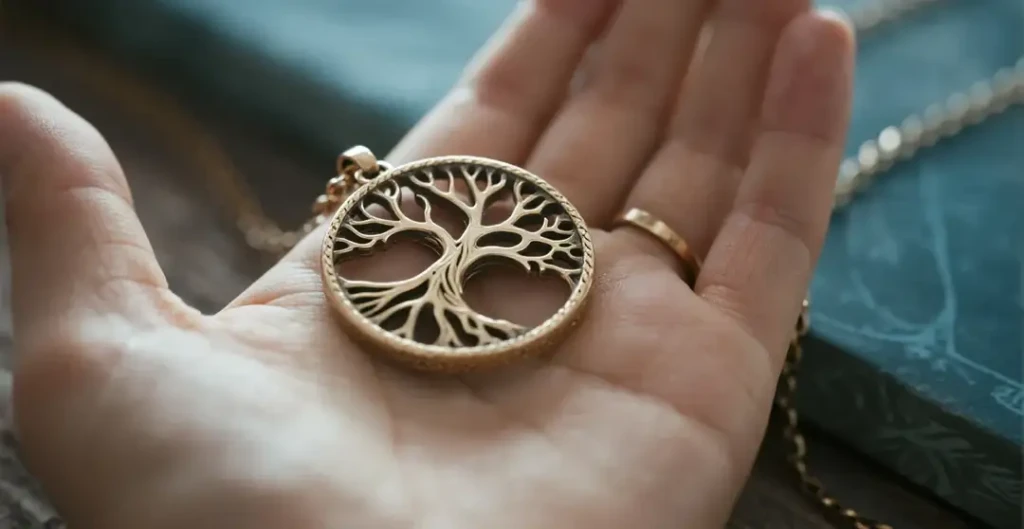
The symbolism of the Tree of Life is not the product of a single culture or era but is rooted in the primal beliefs and observations of nature that mankind share. The footprint of its images and concepts can be traced back thousands of years to ancient civilizations:
- Ancient Egypt: In Egyptian mythology, the sacred beetles and pyramids represent life and resurrection, while the tree of life connects the worlds of the living and the dead, symbolizing rebirth and eternity.
- Mesopotamian Civilization: The tree of life was a recurring and important symbol in Mesopotamian civilization, especially during the Assyrian Empire. It was considered to be the center of the universe, representing life force, abundance and divine order.
- Celtic Culture: For the Celts, the trees symbolized the cycle of life, death and rebirth. They believed that trees were connected to the earthly world, the human world and the heavenly world and served as portals to different dimensions.
- Norse Mythology: The Tree of Life appears in the form of Yggdrasil, the “Tree of the World”. This giant ash tree connects nine worlds, symbolizing the fabric of the universe, the connection of life and the weaving of destiny.
- Jewish Kabbalah: The Tree of Life (Sephirot) is a central concept in the Kabbalah doctrine of Judaism, representing different aspects of God’s creation of the world and human existence.
- Buddhism: The Bodhi tree in Buddhism is not directly known as the “tree of life”, but its importance in Buddha’s enlightenment makes it a symbol of wisdom, awakening and liberation.
The image and meaning of the Tree of Life have evolved and merged with the evolution of history and cultural exchanges. From medieval manuscripts to Renaissance art to modern jewelry design, the Tree of Life motif with its universal and profound connotations has been constantly reinterpreted and reinvented.
These rich historical and cultural roots have given the Tree of Life necklace a deeper meaning than just aesthetics.
From tradition to modernity: how does the Tree of Life necklace fit into contemporary life?
In the ever-changing fashion trends of today, the Tree of Life necklace has not only not been drowned out by the current of the time, but has taken on a new life in modern society with its timeless charm and profound symbolism and became one of the most popular pieces of jewelry.
Its growing prominence in modern fashion trends is due to people’s growing pursuit of nature, the spiritual dimension and personal significance. The tree of life necklace offers a deeper and more personal alternative to purely decorative jewelry, fulfilling the need for spiritual solace in addition to material abundance.
It skillfully blends traditional elements with modern aesthetics and can be worn as a fashionable piece for everyday wear, as well as for special occasions to showcase the wearer’s unique tastes and beliefs.
People choose to wear Tree of Life necklaces for a variety of reasons, the most important of which are:
- Emotional support and expression of faith: Many people wear Tree of Life necklaces as an emotional support or expression of faith. It may represent love and connection to a family member, a belief in the eternal cycle of life, a quest for personal growth and wisdom or a recognition of the concept of harmonious coexistence with nature.
- Fashion and personality: Modern designers have combined the classic image of the Tree of Life with contemporary aesthetics to create necklaces in a variety of styles. It can be matched with different styles of clothing to emphasize the wearer’s unique personality and artistic taste.
- Commemorations and gifts: Important moments in the life cycle, such as birthdays, graduations, weddings and the birth of a new baby, are the ideal times to present the necklace Tree of Life. As a gift it conveys the beautiful meaning of “wishing for a flourishing life, happy family and wisdom growth”, making it a souvenir full of love and far-reaching significance.
The material, design and way of wearing the Tree of Life necklace will also have a subtle impact on its meaning:
- Material: Sterling silver Tree of Life necklaces usually give people a pure and classic feeling and are affordable and suitable for everyday wear. Yellow gold is nobler and timeless, and is often given the symbolism of wealth, steadfastness and timelessness, while rose gold adds a touch of romance and warmth.
- Design: The simple line drawing of the tree emphasizes its symbolism and is suitable for wearers who seek minimalism. The openwork design of the tree is rich in detail and branches and leaves reflecting the vitality of life and the prosperity of the family. The circular shape of the tree’s roots and crown emphasizes the meaning of cycles and eternity.
- How to wear it: Wear the Tree of Life necklace close to the heart to emphasize its significance as an emotional and spiritual symbol, layering or pairing it with other charms of personal significance creates a more unique story of individual style.
What you may want to know about Tree of Life Necklace: Frequently Asked Questions and Misconceptions
The Tree of Life Necklace often arouses curiosity due to its rich symbolism and profound cultural background. Here are some frequently asked questions and clarifications about the Tree of Life Necklace.
- What is the difference between the Tree of Life necklace and the Flower of Life or Tree of the World necklace?
- Tree of Life Necklace: focuses primarily on the tree itself as a symbol of life, growth, connection, family and wisdom.
- Flower of Life Necklace: The Flower of Life is an ancient geometric pattern formed by the overlapping of multiple equally spaced circles and is believed to be the geometric basis for the creation and connection of all things in the universe.
- World Tree Necklace: The “World Tree” is the specific incarnation of the Tree of Life in a particular culture (e.g., Yggdrasil in Norse mythology).
- Are there any taboos or rules about wearing a tree of life necklace?
- In most cultures and traditions there are no strict taboos against wearing a tree of life necklace, which is generally seen as a positive, good luck and blessing symbol.
- Choice of intention: Many believe that a Tree of Life necklace should be worn with a positive intention in mind, such as praying for growth, family harmony or inner peace.
- Cleaning and care: Regular cleaning of the necklace to maintain its luster is not only for aesthetic reasons, but also symbolizes respect and appreciation for the meaning it carries.
- Gift-giving: It signifies good wishes and is often a symbol of love, support and hope that the recipient will flourish in life.
- What is the special meaning of giving a Tree of Life necklace as a gift?
- Wishing for a vibrant life: It expresses the recipient’s wishes for a long and healthy life.
- Family reunion and love: Symbolizing the strength of family bonds, this is a particularly appropriate gift for family members to express their love and appreciation for the family.
- Supporting Personal Growth: Encourages the recipient to continue to learn and grow in his or her life journey, full of wisdom and strength.
- Provide shelter and luck: It is meant to bring good luck to the recipient and provide moral support and protection in the face of challenges.
- Commemorates important moments: It can be used as a memento of milestones such as birthdays, graduations, housewarmings and the birth of a new baby, marking the growth and new beginnings of life.
- Does the Tree of Life Necklace come only in round designs?
- While the circular design (roots and crown intertwined within a circle) is very common because it emphasizes the circle and integrity of life, tree of life necklaces come in a variety of design forms: Teardrop or Oval, Irregular shapes, Semi-circle or asymmetric design, Open design.
- Is the Tree of Life a religious symbol?
- Although the image and concept of the tree of life appears in many religions and mythologies, such as the Jewish Kabbalah, Norse mythology, Celtic beliefs, etc., it is not in itself a totem exclusively belonging to a particular religion. Instead, it is a universal symbol that crosses cultures and religions and represents common human values such as life, connection, growth and wisdom.
In summary: the timeless appeal and personalized interpretation of the Tree of Life Necklace
The Tree of Life Necklace, as an ancient yet modern piece of jewelry, has a charm that goes beyond the material and the craftsmanship itself. It is more than just a necklace accent: it is a deeply cultural symbol and personal expression.
Its core symbolism – including connection and circulation, growth and strength, family and legacy, wisdom and abundance and refuge and peace – together weave a magnificent tapestry of life, the universe and human existence.
From ancient Egyptian tomb murals to Celtic mystical totems, from Norse creation myths to the esoteric philosophies of Kabbalah, the Tree of Life has traced its footsteps in every corner of human civilization.
In the modern context, the Tree of Life Necklace is skillfully integrated into the fashion trend and has become a choice for people to express their individuality, send their emotions and show their taste. It reminds us to stay connected to nature, to family and our inner selves in the hustle and bustle of everyday life in the constant pursuit of growth and wisdom.
Ultimately, the significance of each tree of life necklace will be interpreted most deeply by the wearer. It is a symbol of openness encouraging people to give it their own meaning based on their own experiences, beliefs and feelings. To wear it is to wear a story, a promise, a belief.
In the future, the image of the tree of life will continue to evolve and take on more diverse forms, but as an eternal symbol of life, connection and hope, it will continue to inspire us to find our own roots and direction in the vastness of the universe.
About the author : vinux

Recent Post
Popular products
-
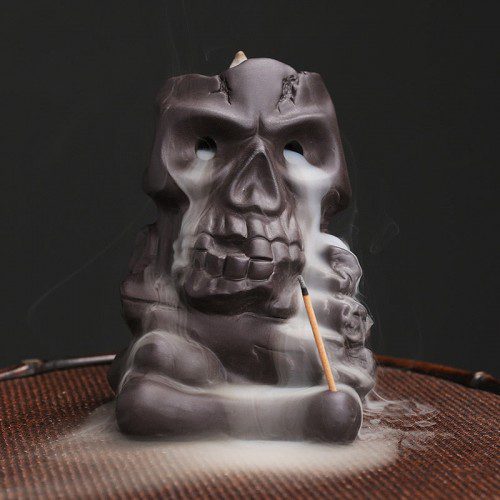 Skull Backflow Incense Burner - Halloween Theme
Original price was: $47.11.$34.50Current price is: $34.50.
Skull Backflow Incense Burner - Halloween Theme
Original price was: $47.11.$34.50Current price is: $34.50.
-
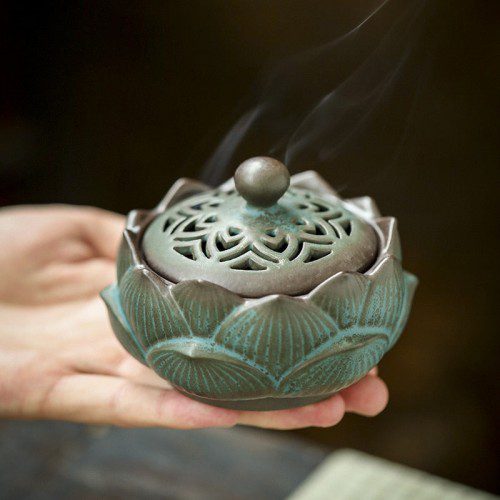 Handcrafted Lotus Ceramic Incense Holder with Coil
Original price was: $39.80.$29.28Current price is: $29.28.
Handcrafted Lotus Ceramic Incense Holder with Coil
Original price was: $39.80.$29.28Current price is: $29.28.
-
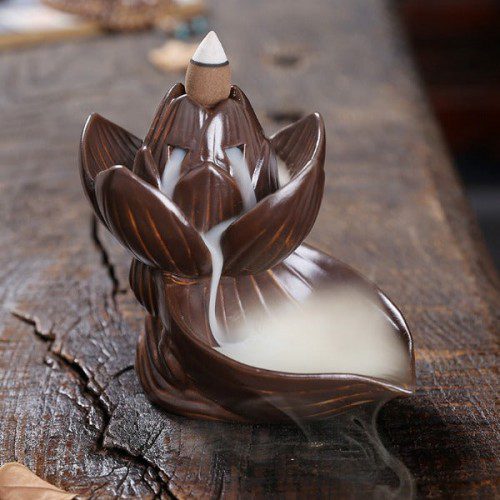 Exquisite Lotus Blossom Incense Holder
Original price was: $48.26.$35.15Current price is: $35.15.
Exquisite Lotus Blossom Incense Holder
Original price was: $48.26.$35.15Current price is: $35.15.
-
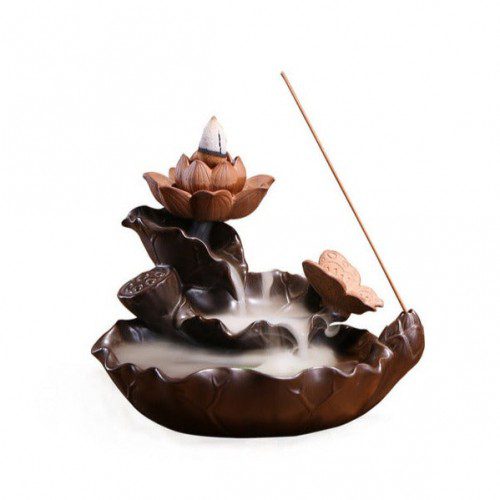 Lotus Pond Creative Incense Cone Burner with Butterfly
Original price was: $42.09.$31.27Current price is: $31.27.
Lotus Pond Creative Incense Cone Burner with Butterfly
Original price was: $42.09.$31.27Current price is: $31.27.
