
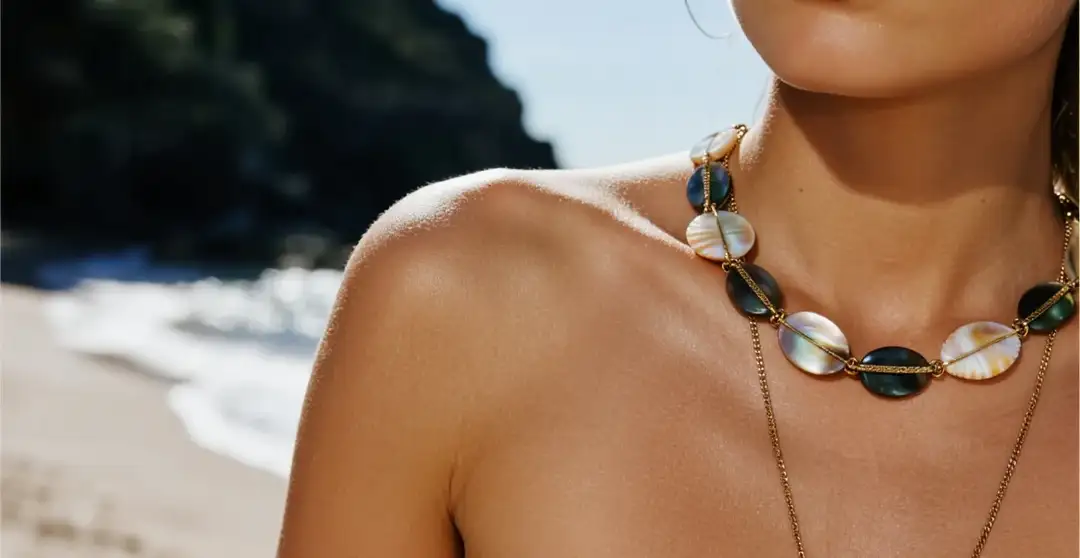
Discover the timeless appeal of the seashell necklace .
When the wind blows and the sun is shining on the beach, a seashell necklace is without doubt the most beautiful addition to the picture . It is more than a simple fashion accessory , it is a perfect blend of the depths of the ocean and the free spirit of nature . Each shell necklace carries the memory of the sea, tells an ancient story and connects the wearer to the vast blue world .
Shell necklaces have fascinated people throughout the ages, whether as precious currency, powerful amulets or fashion statements . In this article, we’ll take a closer look at the fascinating world of the sea shell necklace” . We will analyze the uniqueness of different types of shell necklaces in terms of materials and craftsmanship and trace their cultural and historical significance . We’ll also share practical tips on how to style them, whether on vacation in the beach or in the city . We also will provide tips on how to care for your shell necklaces, guide you through the process of shopping for quality products and answer common questions you may have .
Let’s embark on a fascinating journey through the unique and timeless gifts of the sea with shell necklaces :
Materials and Craftsmanship
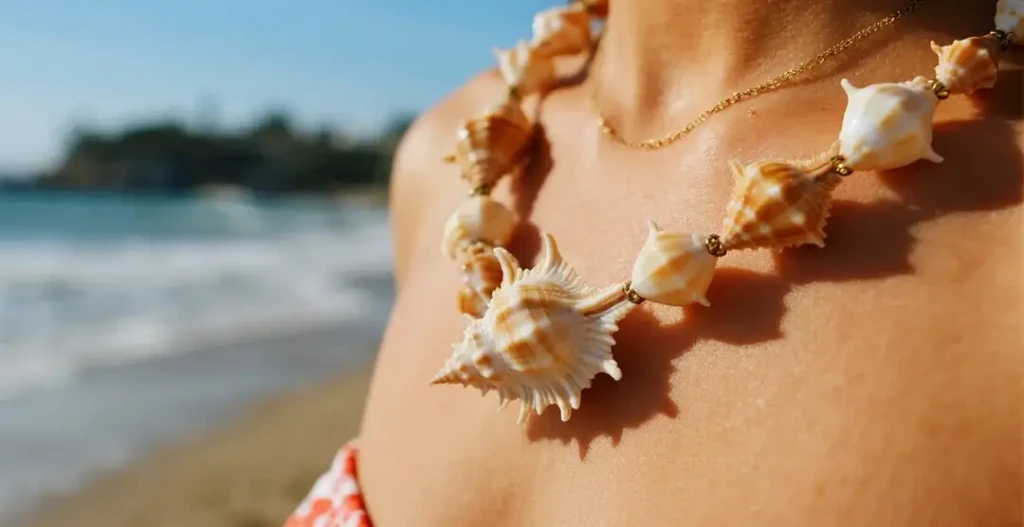
As the name suggests, shell necklaces are a necklace with natural shells as the main element or embellishment . Its charm comes from nature’s purest gift, transforming the delicate shells of sea creatures into art works to wear by humans.
These necklaces are usually made of shells of various shapes, sizes, colors and textures and display a unique natural beauty through ingenious design and exquisite craftsmanship .
Shell necklaces are available in a wide variety of materials including:
- Mother of Pearl: Its iridescent luster and hard texture are often used for delicate carvings and inlays and its luster is warm and elegant.
- Abalone shell: Known for its ever changing rainbow of colors, from green to blue to purple and pink, each piece is unique and dreamy .
- Conch Shell: Like the Queen Conch, its thick shell is often cut and polished into pendants or left to form the body of large necklaces with a raw, rugged beauty .
- Cowrie Shell: Small, smooth and with a slit on the back, the Cowrie Shell is considered a currency or a talisman in many cultures because of its unique shape .
- Kauri Shell: Similar in shape to the Kauri Shell, it is often confused with the Kauri Shell, but is more commonly found in Maori culture in New Zealand as a symbol of adornment and strength .
- Clamshells and scallop shells: These everyday shells can be cleaned and polished to make a simple, oceanic necklace
The process of making a sea shell necklace is varied. This is followed by cutting, where the shells are cut to the desired shape and size according to the design; sanding, where the surface is smoothed to reveal its natural luster; polishing, where the luster and feel are further enhanced; drilling, where the shells are drilled to string them together; and finally, inlaying or other decorative techniques such as combining them with metals, gemstones or other beads to create a diverse range of designs .
The combination of these processes makes each shell necklace a work of art that combines the beauty of nature with the genius of the artisan .
Types of shell necklaces: from classic to trendy
The charm of shell necklaces lies in their infinite variety . Different types of shells, presented in different ways, bring different styles and stories to bear.
- From the classic tuka, which carries the spirit of surf culture
- To the cowrie, which symbolizes ancient wealth and power
- To the gold shell, which is a blend of luxury and nature
Each shell necklace tells a unique story of the sea.
Puka Shell Necklace: A sign of Hawaiian flavor
The necklace puka shell is the most recognizable type of shell necklace , which represents the typical Hawaiian beach style . The origin of the puka shell necklace can be traced back to the beaches of Hawaii, puka means “hole” in Hawaiian. These shells are formed in a natural state due to years of surfing and grinding of sand .
These shells, washed by the waves and eroded by gravel over the years, have naturally developed a unique shape with flat edges and a hole in the center, often spliced together in a tightly woven chain, forming an irregular but fluid necklace .
Puka shell necklaces are characterized by their raw, uncut beauty and naturally occurring holes . They are usually beige, beige-yellow or light gray in color, with a hard texture and simple shape .
In the 1970s, the Puka shell necklace became popular due to its strong ties to surf culture and hippie fashion, symbolizing freedom, nature and adventure . It remains a classic choice for summer vacations, beach parties and casual everyday wear with a touch of spontaneity and purity.
Cowrie and Kauri – Shell Necklaces – symbols of wealth and power
The cowrie shell necklace and the kauri shell necklace carry deep historical and cultural significance .
Cowrie shells, especially those of the genus Cargo, have been used as currency in many cultures in Africa, Asia and the Pacific Islands due to their distinctive shapes (a bulge on the back with a narrow opening on the belly) and smooth texture , symbolizing wealth, prosperity and power . They are also often used as Amulets with symbols of protection, fertility and the protection of evil spirits . Wearing a conch necklace is believed to bring abundance and good fortune .
The Kauri shell, although related in name to the “Kauri tree” (a tree unique to New Zealand), refers to a different type of shell similar in form to the Cowrie but usually larger and rounder . Sometimes a large, polished conch is mistakenly referred to as a kauri, but true kauri shells have a special place in Maori New Zealand culture as symbols of strength, courage and ancestral wisdom and are often used in important ceremonies and decorations .
In modern design, the cowrie or kauri shell is often used as a pendant on its own or teamed with other materials such as beads and leather to emphasize its historical and exotic qualities .
The Conch Shell Necklace : the unique rhythm of the deep sea
The Conch Shell Necklace is a symbol of the raw beauty and unique rhythm of the deep sea. As one of the largest shellfish in the ocean, the hard, spiral shell of the conch is a natural work of art in itself . Common types of conchs include the queen conch, the trumpet triton, etc.
Their shells come in a variety of colors ranging from soft pinks and oranges to pure white , while their interiors have a pearly luster . Conch shell necklaces are often designed to feature either the overall form of the conch or its cut-out pieces .
Large conch shells can be worn directly as pendants for a striking display of rugged, natural chic, while cutting them into specific shapes, such as hearts, teardrops or geometric patterns, creates a more refined, contemporary piece . Their unique spiral structure and natural texture make each conch shell necklace full of character, as if you can hear the whispers of the deep sea.
The gold shell necklace is a fusion of luxury and nature
The gold shell necklace is the result of combining the gifts of nature with human craftsmanship and the pursuit of precious metals . These necklaces are no longer just strings of natural seashells, but a subtle fusion of shell elements in gold (or gold-plated or karat gold).
Designs can be made by inlaying real tiny shells in a gold frame, or by carving out the shape and texture of the shells in gold to form metal shells with a three-dimensional feel .
The style positioning of the gold shell necklace is more on the side of sophistication, luxury and fashion. It retains the natural flavor of the shell, but adds the sparkle and nobility of gold, making it suitable for a wider range of occasions, including formal dinners, fashionable parties and even everyday business casual dress.
This fusion breaks through the casual boundaries of the traditional shell necklace, making it a piece of jewelry that can enhance the texture of the overall look and show off your taste.
Other popular types of shells: mother of pearl, abalone shells, etc.
In addition to the specific types mentioned above, there are many other shell necklaces that have made their mark on the fashion world with their unique charms .
- Mother-of-Pearl: It is the mother of pearl and has a unique iridescent sparkle, smoothness and texture. Mother-of-Pearl is often cut in various shapes, such as round, square or flower, to create delicate and elegant necklaces . Its warm luster makes it a popular choice for understated luxury and is often paired with karat gold or silver chains .
- Abalone Shell: Distinguished by its ever-changing iridescent luster, Abalone Shell is known as the “Opal of the Sea”. The colors of the abalone shell range from deep blues and greens to purples and pinks, glinting with light and angle . Often cut into irregular pieces or polished into smooth pendants, each piece has a unique texture and color that makes a strong visual and artistic statement .
- Scallop Shells and Mussel Shells: These common shells can also be used as a simple nautical necklace element, often left in their original shape or simply polished to reveal their pure natural beauty .
This variety of shells allows shell necklaces to be worn for a variety of styles and occasions ranging from casual vacation to sophisticated fashion .
The history and cultural significance of shell necklaces
The history of shell necklaces is almost the same as the progress of human civilization . They are not just ornaments of the early man, but also symbols that transcend time and culture and carry profound meanings.
Perforated shells have been found in many Paleolithic sites in Africa, Europe and Asia, some as early as 100,000 years ago. These discoveries not only reveal the quest for beauty of the early man , but also suggest that shells may have had a social status, tribal affiliation or ceremonial function at the time.
For example, the perforated conch beads found in the Skhul Cave in Israel and the Grotte des Pigeons site in Algeria are believed to be the oldest known human personal adornment .
GLOBAL CULTURAL SYMBOLS:
Shells have played multiple roles in different civilizations:
- Wealth and status: Shells were used as a currency in many ancient societies, particularly in the Pacific Islands, Africa and parts of North America. For example, the conch has served as a medium of exchange in parts of Africa and Asia Therefore, wearing a shell necklace often represents wealth, power and social status.
- Amulets and protection: Shells are believed to have the power to protect the wearer from evil or to bring good luck and a good harvest . In some cultures it is associated with fertility and female reproduction, symbolizing life, prosperity and renewal.
- Sea goddess symbol: In many coastal cultures, shells are closely associated with sea deities or goddesses (e.g., Aphrodite in ancient Greece, Venus in Rome) and represent beauty, love and birth .
- Cultural Heritage and Ceremony: In the Pacific Islands, shells are not only decorative, but also transmittances of cultural identity, ancestral memories and tribal honor and are often used in important ceremonies and dances .
- Trade and Communication: Shells played an important role in ancient trade networks, not only as money but also as commodities for long-distance trade facilitating cultural exchanges and material sharing between different regions . Through the transmission path of shells, historians are able to trace interactions and connections between ancient civilizations .
In terms of authoritative citations, works and museum collections in the fields of history, archaeology and ethnography provide a wealth of evidence about the role of shells in human culture . For example, the British Museum, the American Museum of Natural History and ethnographic museums around the globe collect and display shell ornaments and tools from a variety of civilizations, corroborating the status of shells as an important part of human cultural history . Together these collections and research materials build a long-ranging and rich historical and cultural picture of shell necklaces.
How to wear shell necklaces: create your own beach style and urban fashion
Shell necklaces are not just for the beach . With its unique natural beauty, it can be easily incorporated into a variety of styles, from casual vacations to urban fashion, all can be the finishing touch .
There is no more classic look than combining it with a simple t-shirt, cotton linen shirt or dress . Whether it’s a white T-shirt, a striped shirt or a plain linen dress, a shell necklace will instantly inject a casual, natural summer feel. Choose a puka shell necklace or a tiny conch necklace for a relaxed yet sophisticated look .
Vacation Style:
Shell necklaces are perfect for a beach vacation and pair with swimsuits, bikinis, flowy beach dresses or bohemian maxi dresses for a free-spirited vacation look . Choose a longer shell necklace or layer several sea shell necklaces of different lengths and styles to add layers and blend in with the nature of your vacation spot.
Urban chic:
Don’t think shell necklaces are only for casual occasions . It can also be used to accent a city commute or a dinner party look .
- Simple commute: Pairing a delicate gold shell necklace or mother-of-pearl necklace with a v-neck shirt, blazer or simple knitwear can add a touch of personality and art in a strict workplace outfit . Choose a shell element with a strong design and unique shape to show your unique taste.
- For dinner parties: a shell necklace with sparkling elements or one made of polished abalone shells, which reflect the glamor of the light, can be paired with a chambray dress or a silk blouse for an elegant and exotic look.
The Art of Layering:
Shell necklaces are perfect for layering with other necklaces to create a rich, layered look .
- Mix and Match: Mix and match shell necklaces with long, thin metal chains (such as karat gold or sterling silver), delicate pearls or even some colored gemstone necklaces for unexpected harmony and style .
- Combination of lengths: choose different lengths of necklaces to layer, for example a short Puka necklace with a long conch pendant necklace can stretch the neckline and increase the three-dimensionality of the look .
Shell necklaces are not only for summer . In autumn and winter a vintage-inspired shell necklace cowrie or a gold shell necklace with a strong design can be worn with a chunky sweater, cashmere sweater or jacket to break up the dullness of autumn and winter outfits and inject a warm, distinctive oceanic vibe into your look .
With these tips, you can make shell necklaces a fashionable addition to your closet that transcends seasons and occasions .
Maintenance and care of shell necklaces: prolonging their natural luster
Although shell necklaces are made from nature, the material requires care and attention to maintain its natural luster and sturdiness . Clean and store properly can extend the life of your cherished sea shell necklaces .
Cleaning:
- Wipe gently: Most shell necklaces should be wiped gently with a soft, dry or slightly damp cloth to remove dirt and grime .
- Avoid chemicals: Never use cleaners that contain alcohol, ammonia, bleach or abrasive particles as these chemicals can etch the surface of the shell and cause it to lose its shine or even become damaged .
- PROFESSIONAL CLEANING: If a shell necklace is stained with stubborn dirt, it is recommended to consult a professional jewelry cleaner who will use professional and gentle methods to treat it .
Storage Tips:
- Avoid direct sunlight: Prolonged exposure to strong sunlight can cause the color of the shells to fade and even become brittle .
- Avoid humid environments: Humid environments can cause changes in the shell surface or the growth of mold and mildew . Store in a dry, well-ventilated place .
- Store separately: Store shell necklaces separately in a soft cloth bag or jewelry box and avoid rubbing or bumping against other hard objects to prevent scratching or damage. Keep away from heat: Extreme temperature changes can also damage the shells .
Wearing Precautions:
- Avoid contact with perfumes, cosmetics and hairspray: the chemicals in these products could damage the surface of the shell. It is recommended that you wear the necklace after completing your personal care regimen .
- Keep away from seawater and chlorine: Although the shell necklace originates from the ocean, salt in seawater and chlorine in swimming pools can corrode shells, causing them to lose their shine or become rough . It is therefore not recommended to wear it while bathing, swimming or doing water activities .
- Avoid strenuous exercise: Remove the necklace during sports activities or heavy physical labor to prevent the shells from cracking or the connectors from coming loose due to collision or pulling .
- Beware of collisions: Although shells are hard, they are still brittle and should not be dropped or hit hard .
About the author : vinux

Recent Post
Popular products
-
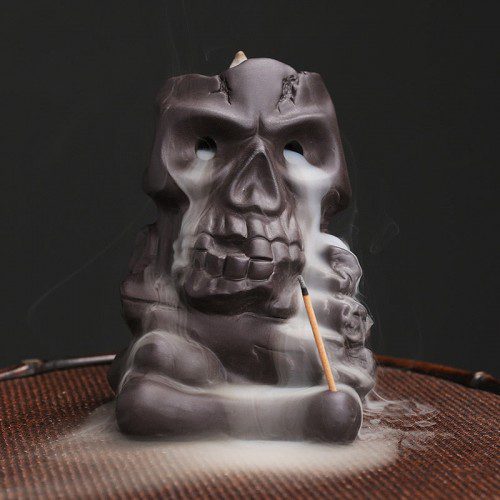 Skull Backflow Incense Burner - Halloween Theme
Original price was: $47.11.$34.50Current price is: $34.50.
Skull Backflow Incense Burner - Halloween Theme
Original price was: $47.11.$34.50Current price is: $34.50.
-
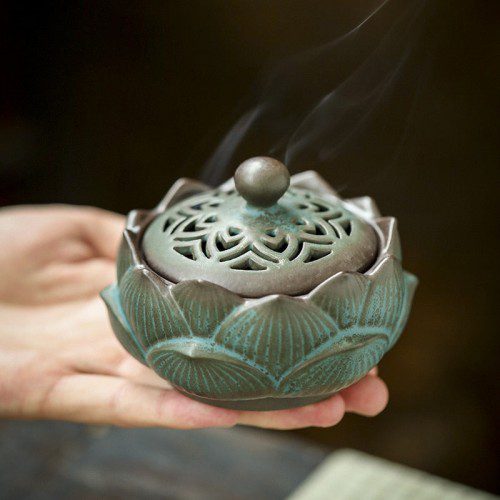 Handcrafted Lotus Ceramic Incense Holder with Coil
Original price was: $39.80.$29.28Current price is: $29.28.
Handcrafted Lotus Ceramic Incense Holder with Coil
Original price was: $39.80.$29.28Current price is: $29.28.
-
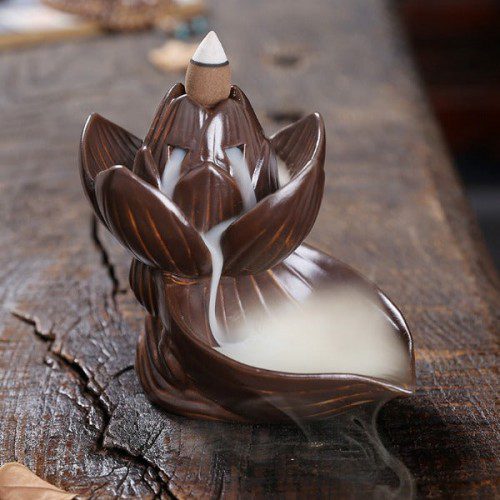 Exquisite Lotus Blossom Incense Holder
Original price was: $48.26.$35.15Current price is: $35.15.
Exquisite Lotus Blossom Incense Holder
Original price was: $48.26.$35.15Current price is: $35.15.
-
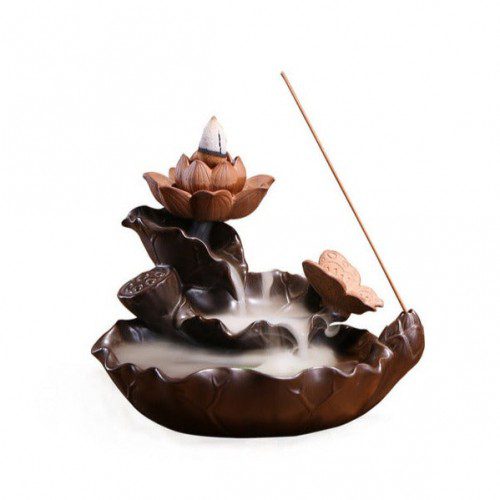 Lotus Pond Creative Incense Cone Burner with Butterfly
Original price was: $42.09.$31.27Current price is: $31.27.
Lotus Pond Creative Incense Cone Burner with Butterfly
Original price was: $42.09.$31.27Current price is: $31.27.
