

The Halo: A Symbol of Divinity and Holiness
The halo has been a powerful symbol throughout history, representing divinity and holiness in various cultures and art forms. Let’s explore its origins, evolution, and significance.
Origins in ancient art and mythology
The concept of the halo can be traced back to ancient civilizations and mythologies. In Greek mythology, figures like Helios and Apollo were often depicted with radiant halos or rays surrounding their heads, symbolizing their divine nature and connection to the sun.
Furthermore, laurel wreaths were used in classical societies to crown victors, and this practice may have influenced the circular shape of the halo. In Egyptian art, the sun disk found in crowns could be seen as an early precursor to the halo, suggesting a cross-cultural influence on the symbol’s development.
Adoption by Christianity and its significance
Christianity adopted the concept of the halo from earlier cultures, using it to symbolize perfection, divinity, and holiness. Early Christian art often depicted Christ and saints with round halos, emphasizing their sacred nature.
One notable example is the ceiling mosaic in the necropolis under St. Peter’s Basilica, which features images of Christ or Sol Invictus with halos, highlighting their divine status within the Christian tradition.
Variations in halo shape and form
| Halo Type | Symbolism |
|---|---|
| Mandorla | Almond-shaped aureole used for Christ and the Virgin |
| Cruciform Halo | Cross-shaped halo for members of the Trinity |
| Square Halo | Represents living figures in contrast to divine beings |
Evolution in Renaissance art and beyond
During the Renaissance, artists like Giotto, Masaccio, and Leonardo da Vinci experimented with different ways to depict halos in their works. As realism became more prominent, halos began to decrease in size and frequency, blending more seamlessly into the scenes.
Caravaggio’s delicate halos added a spiritual dimension to his naturalistic subjects, while Masaccio’s solid, three-dimensional halos symbolized the dual nature of Christ as both divine and human.
The Laurel Wreath: A Crown of Triumph and Achievement
The laurel wreath, a symbol of victory and excellence, has a rich history and deep symbolism that transcends time. Let’s delve into its historical origins, modern applications, and the famous idiom associated with it.
Historical origins and symbolism
In ancient times, the laurel wreath was a prestigious symbol bestowed upon victors in various competitions, including the Olympic Games in Greece. The association of the laurel wreath with victory stems from Greek mythology, where the god Apollo was often depicted wearing a laurel crown.
The laurel tree, known for its evergreen leaves, was believed to be sacred to Apollo and symbolized immortality and divine favor. The wreath’s circular shape signified unity and continuity, making it a fitting emblem for triumph and achievement.
Modern usage in academia, heraldry, and decorative arts
Today, the laurel wreath maintains its symbolism of honor and accomplishment in various fields. In academia, it is often used to adorn academic regalia, indicating academic excellence and scholarly achievement. The laurel wreath is also a common motif in heraldry, representing victory, merit, and glory.
Furthermore, the decorative arts frequently feature the laurel wreath as a design element, adding a touch of classical elegance and sophistication to architecture, furniture, and decorative objects. Its timeless appeal and symbolic significance continue to resonate in contemporary aesthetics.
The “resting on one’s laurels” idiom
The phrase “resting on one’s laurels” has its roots in the ancient tradition of wearing a laurel wreath as a symbol of victory. Over time, the idiom has come to mean resting on past achievements and not striving for further success or progress.
The Halo in Religious Iconography
The halo, a symbol of divine radiance and spiritual significance, holds a prominent place in religious iconography across various cultures and time periods. Let’s explore the definition, origins, types, and symbolic meanings associated with the halo in religious art.
Definition and origins
The halo, also known as a nimbus or aureole, is a luminous circle or disk depicted around the heads of holy or sacred figures in religious art. Its origins can be traced back to ancient civilizations where deities and revered individuals were often portrayed with radiant auras to signify their divine nature.
Types of halos and their significance
Halos come in various forms, each carrying its own symbolic significance. The mandorla, an almond-shaped halo, is commonly used for depictions of Christ and the Virgin Mary, symbolizing their divine status. The cruciform halo, with a cross extending beyond the circular area, is reserved for representations of the Holy Trinity.
Other variations include the square halo, indicating the person depicted is still living, and the triangular halo symbolizing the Trinity. Dotted halos, star halos, and hexagonal halos each convey unique meanings and associations based on religious narratives and traditions.
The decline of the halo in Western art
With the evolution of artistic styles and the shift towards realism in Western art, the use of halos began to decline in size and prominence. Artists like Giotto and Masaccio experimented with angles and perspectives to integrate halos more seamlessly into their compositions, moving away from the traditional circular form.
Usage of terms and spiritual significance
In religious contexts, the halo serves as a visual symbol of holiness, divinity, and spiritual illumination. The terminology associated with halos, including terms like nimbus and aureole, reflects the diverse cultural and historical influences on religious iconography.
The Leaf Halo in Jewelry
The leaf halo design has gained popularity in the realm of jewelry, particularly in exquisite pieces like the cushion halo engagement ring and the ASHOKA leaf halo ring. Let’s delve into the intricate details of these stunning creations, focusing on their design, customization options, and pricing.
The Cushion Halo Engagement Ring with Leaf Motif
The cushion halo engagement ring adorned with a leaf motif combines the classic appeal of a cushion-cut gemstone with the elegant and nature-inspired design of delicate leaves encircling the center stone. This unique combination adds a touch of sophistication and organic beauty to the ring, making it a perfect choice for those who appreciate intricate detailing and symbolic motifs in their jewelry.
The ASHOKA Leaf Halo Ring
The ASHOKA leaf halo ring, featuring the distinctive ASHOKA diamond cut, showcases a stunning halo of intricately crafted leaves that accentuate the brilliance of the center diamond. The leaf halo design not only enhances the overall aesthetics of the ring but also symbolizes growth, renewal, and the beauty of nature, making it a meaningful choice for those who value both style and symbolism in their jewelry.
Design, Customization, and Pricing
When it comes to leaf halo jewelry, design options abound, allowing buyers to tailor their pieces to reflect their unique style preferences. Customization may include selecting different metals, gemstones, or adjusting the size and arrangement of the leaf halo to create a personalized and one-of-a-kind piece.
The Halo and the Leaf in Modern Art and Design
Exploring the intersection of traditional symbolism and contemporary creativity, modern art and design have embraced innovative interpretations of the halo and the leaf motif. Artists and designers have reimagined these iconic elements in paintings, sculptures, and installations, infusing them with new meanings and aesthetic approaches.
Contemporary Interpretations
In the realm of modern art, the halo and the leaf have transcended their historical representations to become versatile symbols of spirituality, nature, and personal expression. Artists experiment with unconventional materials and techniques to create unique interpretations that challenge traditional perceptions of these motifs.
One notable trend is the integration of technology into halo and leaf-inspired artworks. Digital artists use interactive projections and augmented reality to create immersive experiences where viewers can engage with dynamic representations of halos and leaves, blurring the boundaries between the virtual and physical worlds.
Exploring Symbolism
Contemporary artists often imbue their halo and leaf creations with layers of symbolism that reflect modern values and beliefs. The halo, once a symbol of divinity and holiness, now represents concepts such as inner light, enlightenment, and interconnectedness in a globalized world.
Similarly, the leaf motif, traditionally associated with growth and renewal, is reimagined to evoke themes of sustainability, environmental consciousness, and the cyclical nature of life. Artists use organic materials and eco-friendly practices to craft intricate leaf designs that serve as reminders of our interconnectedness with the natural world.
Innovative Approaches
From large-scale installations in public spaces to intimate gallery exhibitions, contemporary artists and designers continue to push the boundaries of creativity with their halo and leaf-inspired works. Collaborations between artists, architects, and environmentalists result in multidisciplinary projects that explore the intersection of art, design, and sustainability.
- What is the significance of the halo in art and religious symbolism?
Answer: The halo represents divine presence or enlightenment in various religious traditions and art forms. - How has the symbolism of the leaf evolved throughout history?
Answer: The leaf has symbolized growth, renewal, and nature’s beauty across different cultures and time periods. - What are some modern applications of the halo and leaf symbolism?
Answer: The halo and leaf symbols are often used in branding, design, and marketing to convey concepts of purity, spirituality, and sustainability. - How do different cultures interpret the halo and leaf symbols?
Answer: Various cultures may associate the halo with holiness or enlightenment, while the leaf symbolizes harmony with nature and life cycles. - In what ways do literature and poetry use the halo and leaf symbols?
Answer: Writers and poets often incorporate the halo and leaf symbols to evoke themes of spirituality, growth, and connection to the natural world. - What historical figures or events have been associated with the halo and leaf symbols?
Answer: Saints, deities, and mythological figures are often depicted with halos, while leaves have been used in ancient rituals and ceremonies. - How do artists use the halo and leaf symbols to convey deeper meanings in their work?
Answer: Artists use the halo and leaf symbols to add layers of symbolism, emotion, and cultural references to their creations. - What role do colors play in the interpretation of halo and leaf symbolism?
Answer: Colors associated with the halo and leaf, such as gold for the halo and green for the leaf, can enhance the symbolic meanings and cultural associations. - How has the digital age influenced the representation of halo and leaf symbols?
Answer: In the digital era, the halo and leaf symbols are often used in digital art, graphic design, and web development to communicate specific messages and values. - What are some popular cultural references to the halo and leaf symbols in modern media?
Answer: The halo and leaf symbols can be seen in movies, music, and fashion as visual motifs that convey themes of spirituality, nature, and beauty.
About the author : vinux

Recent Post
Popular products
-
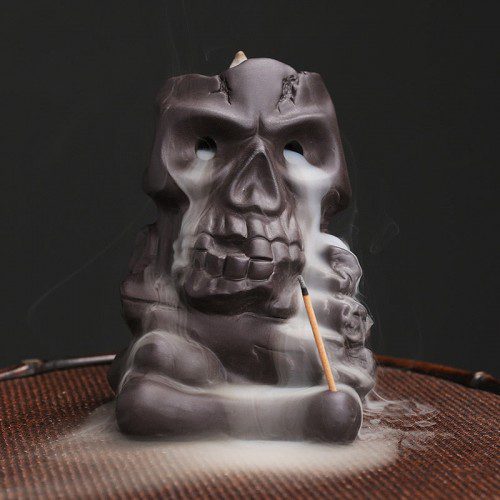 Skull Backflow Incense Burner - Halloween Theme
Original price was: $47.11.$34.50Current price is: $34.50.
Skull Backflow Incense Burner - Halloween Theme
Original price was: $47.11.$34.50Current price is: $34.50.
-
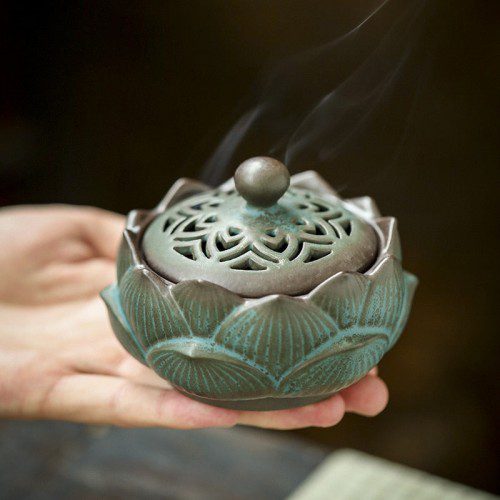 Handcrafted Lotus Ceramic Incense Holder with Coil
Original price was: $39.80.$29.28Current price is: $29.28.
Handcrafted Lotus Ceramic Incense Holder with Coil
Original price was: $39.80.$29.28Current price is: $29.28.
-
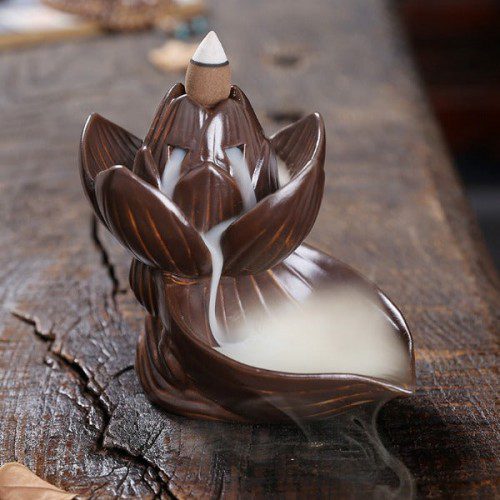 Exquisite Lotus Blossom Incense Holder
Original price was: $48.26.$35.15Current price is: $35.15.
Exquisite Lotus Blossom Incense Holder
Original price was: $48.26.$35.15Current price is: $35.15.
-
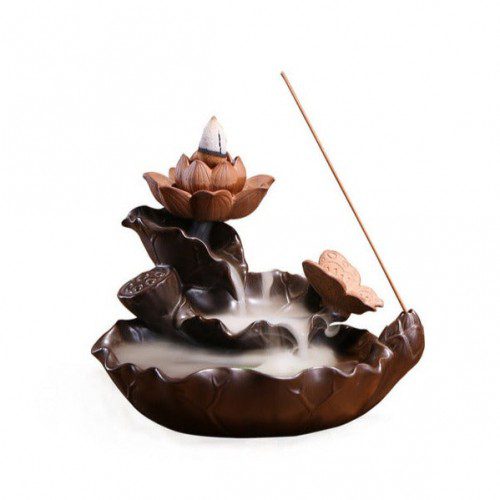 Lotus Pond Creative Incense Cone Burner with Butterfly
Original price was: $42.09.$31.27Current price is: $31.27.
Lotus Pond Creative Incense Cone Burner with Butterfly
Original price was: $42.09.$31.27Current price is: $31.27.
