Geological Properties of Cinnabar
Chemical Composition and Crystal Structure
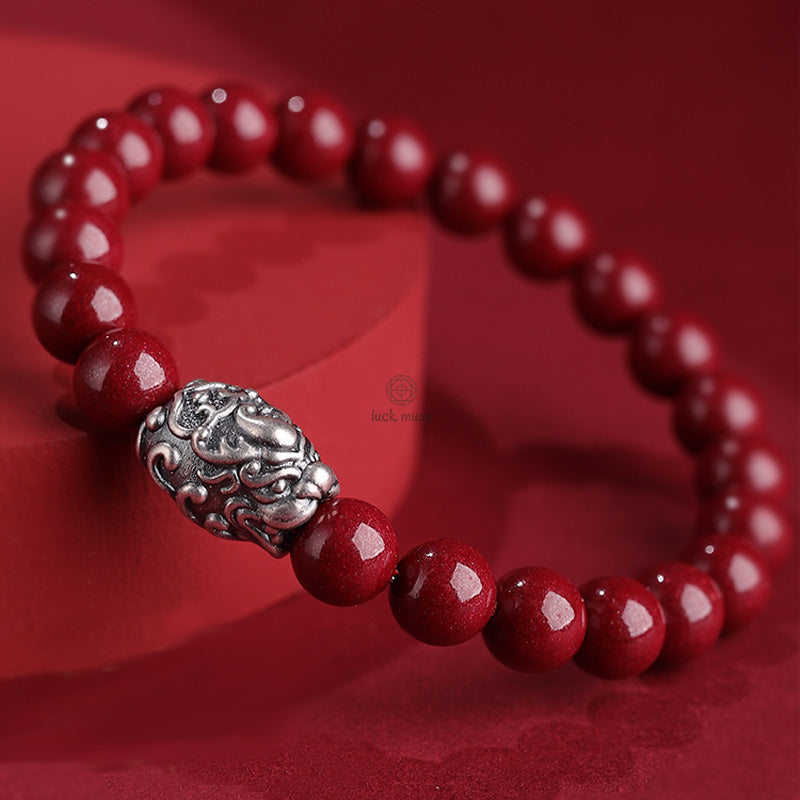
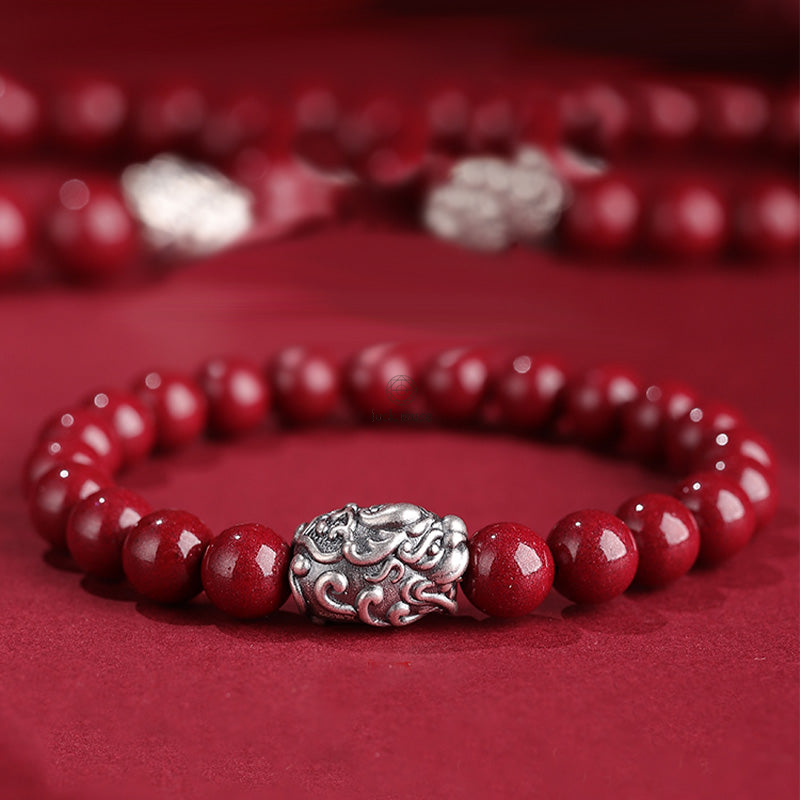
Cinnabar, also known as “dragon’s blood” due to its bold red color, is a form of mercury sulfide (HgS) with a triclinic crystal structure. Its bright red, violet-red, or scarlet-red hues are highly distinctive, making it a sought-after gemstone in various cultures. The chemical composition and unique crystal structure give cinnabar its characteristic appearance and properties.
Hardness, Specific Gravity, and Color Variations
- Hardness: Cinnabar has a hardness ranging from 2 to 2-1/2 on the Mohs scale, making it relatively soft compared to other gemstones. This moderate hardness level allows for intricate carvings and designs to be created from raw cinnabar.
- Specific Gravity: With a specific gravity of 8.0 – 8.2, cinnabar is notably dense, contributing to its weight and feel when held in the hand.
- Color Variations: While cinnabar is predominantly red, it can exhibit variations in color, ranging from bright red to violet-red hues. These color variations add to the aesthetic appeal and versatility of cinnabar in jewelry and decorative items.
Formation and Distribution of Cinnabar Deposits
Cinnabar deposits are formed through hydrothermal processes in shallow rocks, typically in areas with recent volcanic activity or near hot springs. Major sources of cinnabar include regions in China, the United States, Kazakhstan, and Mexico. These deposits hold significant value for gemstone enthusiasts and collectors due to the mineral’s scarcity and unique geological properties.
Proper Care of Cinnabar
- Natural cinnabar is toxic and should be handled with care, avoiding direct contact with skin and water.
- Imitation cinnabar made from resin can be safely cleaned using a soft brush to maintain its appearance.
- When designing with cinnabar, incorporating rich red, turquoise blue, or creamy white hues can enhance the overall aesthetic appeal of the jewelry or decorative piece.
Overall, cinnabar’s geological properties make it a captivating gemstone with a rich history and versatile applications in jewelry, accessories, and interior decor.
The Mystical and Healing Properties of Cinnabar
Manifestation and Wealth
Cinnabar is believed to enhance one’s ability to manifest desires and attract abundance. Its bold red color symbolizes vitality and prosperity, making it a popular choice for individuals seeking success and financial growth.
Assertiveness and Confidence
Connected to the zodiac sign Leo, cinnabar is linked to qualities of courage, leadership, and assertiveness. Wearing cinnabar jewelry or carrying a cinnabar stone is thought to boost self-confidence and help individuals stand their ground with conviction.
Chakras and Healing Effects
Cinnabar is associated with the base chakras, which govern stability, security, and grounding. In traditional healing practices, it is believed to improve vitality, treat blood disorders, and restore emotional balance. The vibrational energy of cinnabar is said to align and harmonize these aspects of the body and mind.
The Difference Between Raw Cinnabar and Cinnabar
Understanding the different forms and characteristics of cinnabar becomes crucial when browsing natural stone products. Cinnabar can be categorized into various types such as raw cinnabar, purple gold cinnabar, red cinnabar, rootless cinnabar and reduced cinnabar. Each type of cinnabar has a unique appearance and energy that makes it suitable for different people to wear or collect.
-
- Raw Cinnabar: Unprocessed, contains impurities from the mine cave, rough texture, uneven color distribution.
- Purple gold sand: pressed from raw cinnabar, hard texture, purple-red color.
- Red Cinnabar: formed after the extraction process, hard texture, bright color, suitable for wearing.
- Rootless Sand: Grown in sediment, translucent, with honeycomb holes on the surface.
- Reduced Sand: Uniform color, fine texture, no impurities.
Definition and Etymology
Derived from the Persian word “zanjifrah,” meaning “dragon’s blood,” cinnabar is a form of mercury sulfide that exhibits vibrant red, violet-red, or scarlet-red colors.
Distinctive Red Color and Association with “Dragon’s Blood”
Cinnabar’s bold red color has long been associated with the mythical qualities of “dragon’s blood,” symbolizing manifestation, wealth, assertiveness, and romance. This mesmerizing gemstone is often linked with the zodiac sign Leo and the base and sacral chakras.
Historical and Cultural Significance
Throughout history, cinnabar has been treasured for its mystical properties. In ancient China, it was used as a pigment known as vermilion. Believed to promote prosperity and remove negative energy, cinnabar has found its way into various cultural practices and beliefs.It is affiliated with the zodiac sign Leo and the base and sacral chakras. Used as a pigment known as vermilion, cinnabar has played a significant role in art, traditional medicine, and feng shui practices.
About the author : vinux

Recent Post
Popular products
-
 Skull Backflow Incense Burner - Halloween Theme
Original price was: $47.11.$34.50Current price is: $34.50.
Skull Backflow Incense Burner - Halloween Theme
Original price was: $47.11.$34.50Current price is: $34.50.
-
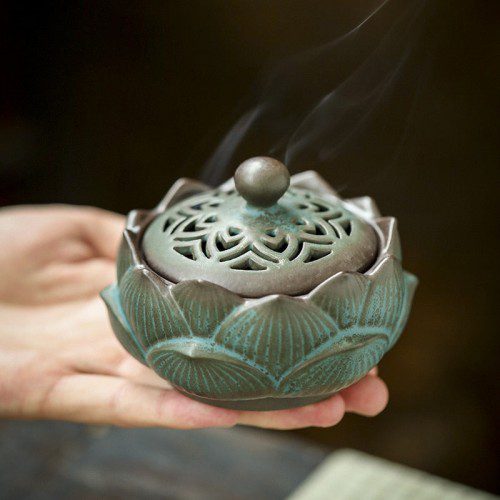 Handcrafted Lotus Ceramic Incense Holder with Coil
Original price was: $39.80.$29.28Current price is: $29.28.
Handcrafted Lotus Ceramic Incense Holder with Coil
Original price was: $39.80.$29.28Current price is: $29.28.
-
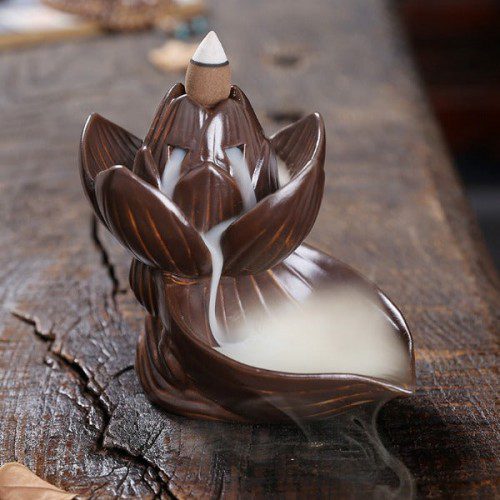 Exquisite Lotus Blossom Incense Holder
Original price was: $48.26.$35.15Current price is: $35.15.
Exquisite Lotus Blossom Incense Holder
Original price was: $48.26.$35.15Current price is: $35.15.
-
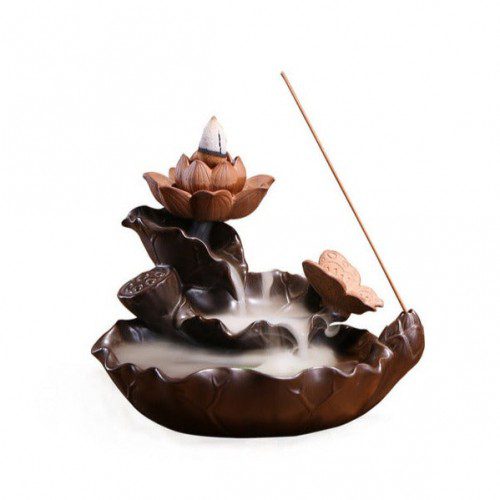 Lotus Pond Creative Incense Cone Burner with Butterfly
Original price was: $42.09.$31.27Current price is: $31.27.
Lotus Pond Creative Incense Cone Burner with Butterfly
Original price was: $42.09.$31.27Current price is: $31.27.
