
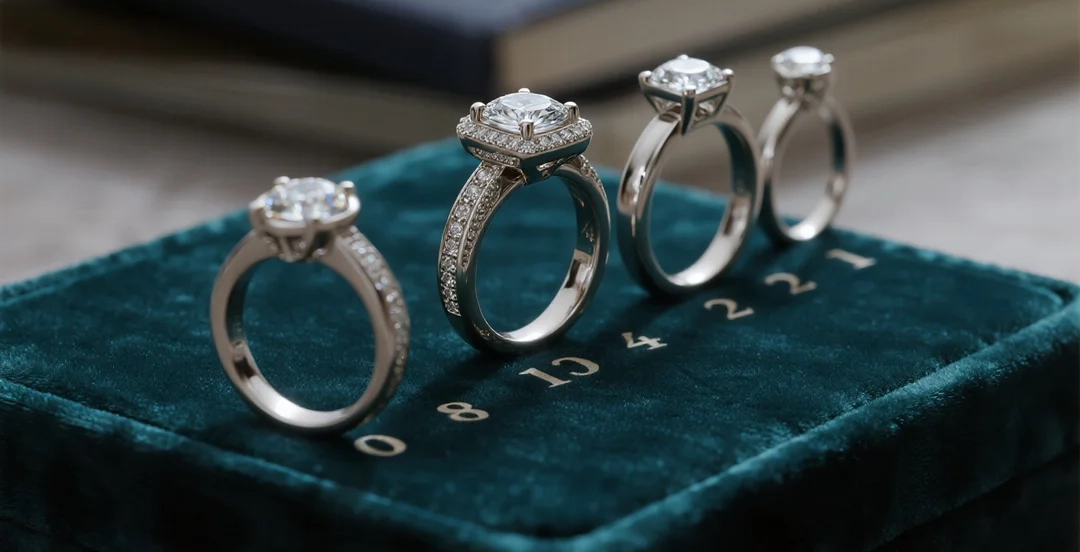
When it comes to selecting a diamond ring, the term “carat” is often the first factor that comes to mind. However, understanding what carat truly represents is crucial, as it’s a common misconception that carat directly equates to size. The carat weight of a diamond is, in fact, a unit of mass, not a direct measurement of its physical dimensions. As defined by the Gemological Institute of America (GIA), one carat is equal to 200 milligrams, with each carat divided into 100 points. This precise measurement is a cornerstone in assessing a diamond’s value, influencing its visual impact on the wearer’s finger, and carrying significant symbolic weight.
The desire for larger diamonds is a prevalent trend, with individuals frequently searching for options like a 1 carat diamond ring, a 3 carat diamond ring, a 5 carat diamond ring, and even a 10 carat diamond ring. These searches reflect a desire for both aesthetic appeal and a tangible representation of commitment or achievement. The allure of a diamond 3 carat engagement ring, for instance, speaks to a desire for a statement piece that is both luxurious and deeply meaningful. Understanding the intricacies of carat weight allows potential buyers to navigate the market effectively, appreciating how this single metric, when balanced with other quality factors, dictates the 3 carat diamond ring price, and ultimately, the perfect ring for any occasion.
What Is a Carat Diamond Ring? Size, Value, and Popularity
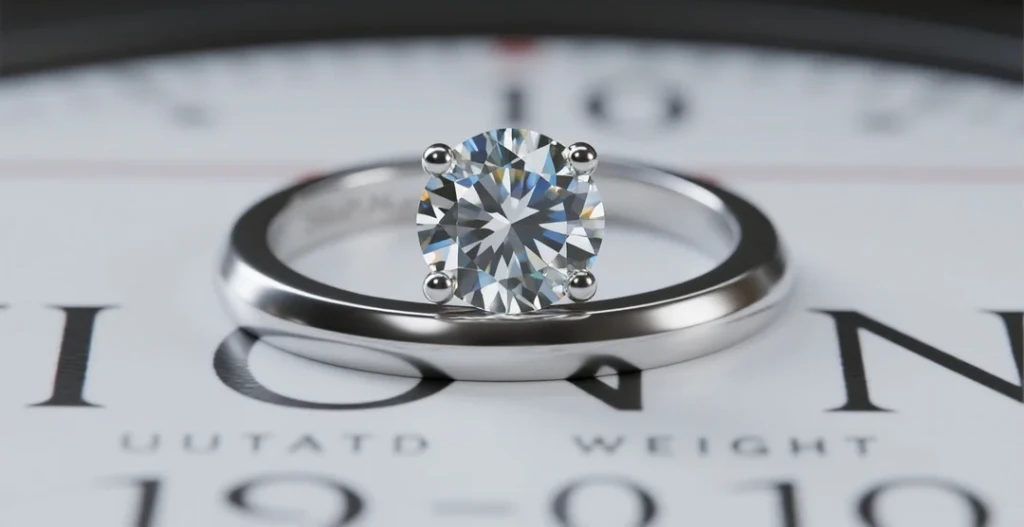
Carat weight is a fundamental determinant of a diamond’s value and its apparent size. A heavier diamond will naturally appear larger, assuming all other factors are equal. However, the relationship between carat weight and price is not linear; it’s often exponential. As a diamond approaches significant carat milestones, such as 1.00, 2.00, or 3.00 carats, its price per carat can increase dramatically. This premium is due to the rarity of larger, high-quality diamonds.
The visual impact of different carat weights is best understood through comparison. For example, a 1 carat diamond ring offers a classic and elegant presence, while a 3 carat diamond ring presents a more substantial and commanding sparkle. Moving up to a 5 carat diamond ring or a 6 carat diamond ring elevates the statement, projecting undeniable luxury. A 10 carat diamond ring is exceptionally rare and commands attention for its sheer size and exclusivity.
It’s vital to remember that while carat weight is crucial, it’s only one of the “4Cs” that determine a diamond’s value. As explained by reputable sources like GIA and Blue Nile, the other Cs – Cut, Color, and Clarity – play equally important roles. A well-cut diamond can appear larger and more brilliant than a poorly cut one of the same carat weight. Similarly, the absence of color (graded from D to Z) and clarity imperfections significantly impacts a diamond’s value. Therefore, finding the right balance between carat weight and the other 3Cs is key to achieving both visual appeal and optimal value for money.
1 Carat Diamond Ring: The Classic Choice
The 1 carat diamond ring remains one of the most popular choices for engagement rings worldwide. Its enduring appeal stems from its perfect balance of visual presence, perceived value, and affordability. A 1-carat diamond offers a noticeable sparkle that is elegant and substantial enough to make a statement without being overly ostentatious. This makes it an ideal choice for a wide range of hand sizes and personal styles.
For those seeking the classic look, a round brilliant cut is often recommended for a 1-carat diamond, as it maximizes light reflection and brilliance. However, other popular cuts like oval, princess, or cushion cuts can also appear slightly larger or offer a unique aesthetic. Reputable retailers like Blue Nile or James Allen provide excellent resources for understanding the average price range for a 1-carat diamond, which can vary significantly based on the other 3Cs. A well-selected 1-carat diamond with good cut, color, and clarity can be a truly breathtaking piece.
1.5 Carat Diamond Ring: A Slight Upgrade in Brilliance
Stepping up to a 1.5 carat diamond ring offers a noticeable visual upgrade from a 1-carat stone, providing a more prominent presence on the finger. This slight increase in carat weight often translates into a significantly more impactful sparkle and a more luxurious feel, without necessarily incurring a proportionally large price increase. The relationship between carat weight and price is not linear, meaning a 1.5-carat diamond will likely cost more than 1.5 times the price of a comparable 1-carat diamond, but the increase in visual appeal can often justify this.
A 1.5-carat diamond is perfect for individuals who desire a ring that is more eye-catching than a 1-carat but still maintains a sense of refined elegance. Common settings that enhance the brilliance of a 1.5-carat diamond include halo settings, which surround the center stone with smaller diamonds, creating an illusion of greater size and adding extra sparkle. Alternatively, a solitaire setting on a delicate band can beautifully showcase the diamond’s inherent beauty.
2.5 Carat Diamond Ring: A Balance Between Luxury and Practicality
For those who want to elevate their diamond jewelry with a touch more luxury while still considering practicality for everyday wear, a 2.5 carat diamond ring strikes an excellent balance. This carat weight offers a significant visual impact, making a statement of sophistication and opulence. While larger than the previously discussed options, a 2.5-carat diamond is still manageable for daily wear for many individuals, provided it’s set appropriately and with care.
When choosing a 2.5-carat diamond, prioritizing quality in the other 3Cs is crucial to ensure the diamond appears as large and brilliant as possible. Opting for diamonds certified by reputable organizations like GIA or AGS is highly recommended, as these certifications guarantee the diamond’s specifications and ensure you are getting the best value for your investment. Considering the setting is also important; a lower profile setting can make a larger diamond more comfortable for daily wear and less prone to snagging.
3 Carat Diamond Ring: When You Want to Make a Statement
The 3 carat diamond ring is a definitive statement piece, sought after by those who appreciate grandeur and a significant visual impact. When people search for a “diamond 3 carat engagement ring,” they are often looking for a ring that is truly unforgettable and conveys a sense of luxury and commitment. The 3 carat diamond ring price can vary dramatically, often ranging from $20,000 to over $60,000, depending on the quality of its cut, color, and clarity.
To ensure a 3-carat diamond displays optimal fire and brilliance, a higher quality cut is paramount. A well-executed cut will maximize the diamond’s ability to reflect light, making it appear brighter and more captivating, even if its color or clarity grades are slightly lower. This carat weight is well-suited for significant life events, such as engagements, anniversaries, or as a personal milestone reward. Its substantial size demands attention and is perfect for individuals who are not afraid to showcase their jewelry.
4–6 Carat Diamond Rings: The Line Between Opulence and Investment
For high-net-worth individuals and those seeking truly exceptional diamond jewelry, rings in the 4 to 6 carat range, such as a 4 carat diamond ring, 5 carat diamond ring, or 6 carat diamond ring, represent the pinnacle of opulence and a potential investment. These larger diamonds are rare, and their acquisition often involves a significant financial commitment. The discussion around these stones often touches upon their investment potential, as larger, high-quality diamonds can hold or even increase their value over time, similar to assets analyzed by platforms like Rapaport or discussed in Forbes articles on diamond investing.
When selecting a diamond of this magnitude, careful consideration must be given to the setting. Platinum or 18K gold are ideal choices for ring bands, as they are durable and can adequately support the weight and presence of a large diamond. The design of the setting should also be carefully considered to ensure it complements the diamond’s size and proportions, and enhances its beauty without overwhelming it. The wearer’s hand size and personal style are also important factors to ensure the ring looks harmonious and natural.
10 Carat Diamond Ring: Ultra-Luxury for the Rarest Occasions
A 10 carat diamond ring is an object of extreme rarity and luxury, primarily found in exclusive auction houses, private collections, or as bespoke commissions from the world’s most renowned jewelers. The average price for such a magnificent stone can easily surpass $300,000, making it a purchase typically reserved for those with substantial wealth. These extraordinary pieces are often viewed more as significant investments or heirloom-quality treasures than purely for daily wear.
Celebrities like Beyoncé and Kim Kardashian have famously sported colossal diamonds, often from esteemed brands like Harry Winston, Graff, and De Beers, showcasing the ultimate in diamond grandeur. Owning a 10-carat diamond is less about practical adornment and more about possessing a piece of art and a tangible symbol of unparalleled success and prestige.
How Carat Affects Price: The Exponential Rule
The price of diamonds does not increase linearly with carat weight; instead, it follows an exponential curve. This means that as a diamond approaches key carat thresholds – such as 1.00, 2.00, or 3.00 carats – its price per carat can more than double compared to a slightly smaller stone. This phenomenon is directly linked to the rarity of larger, high-quality diamonds. For example, finding a 2-carat diamond with the same quality as a 1-carat diamond is significantly more challenging, driving up its cost.
Understanding this “exponential rule” is crucial for budget-conscious buyers. It highlights why “round numbers” in carat weight are often more expensive. A 1.00-carat diamond will typically be priced higher per carat than a 0.95-carat diamond, even if their visual difference is minimal. Professional diamond trading platforms like RapNet or IDEX provide real-time market data that illustrates these price fluctuations based on carat weight and quality.
Tips for Buying the Right Carat Diamond Ring
When embarking on the journey to purchase a diamond ring, selecting the right carat weight involves a blend of personal preference, budget, and practical considerations. While a larger carat size might be appealing, it’s important to remember that other factors significantly influence a diamond’s visual presence. The cut, for instance, can make a diamond appear larger than its actual carat weight. Similarly, the setting style, such as a halo or a solitaire on a slender band, can enhance the perceived size of the diamond.
Prioritize diamonds certified by reputable grading laboratories like GIA or AGS. These certifications provide an objective assessment of the diamond’s quality, ensuring you’re not overpaying for a stone that has been selected for its weight at the expense of its brilliance or clarity. Avoid the temptation to solely focus on carat weight and neglect the other “3Cs.” A well-balanced diamond with excellent cut, color, and clarity will offer superior beauty and value, regardless of its exact carat size.
Finding the Perfect Carat Diamond Ring for You
Ultimately, the “perfect” carat weight for a diamond ring is a deeply personal decision. Whether you are drawn to the understated elegance of a 1 carat diamond ring, the statement-making presence of a 3 carat diamond ring, the luxurious heft of a 5 carat diamond ring, or the extraordinary rarity of a 10 carat diamond ring, each carat increment offers a unique experience.
The journey of selecting a diamond ring is as much about emotional value as it is about the physical attributes of the stone. By understanding how carat weight interacts with cut, color, and clarity, and by setting a realistic budget, you can make an informed choice that brings joy and meaning for years to come. We encourage you to explore certified online retailers such as VRAI or James Allen to begin your personalized search and find the diamond ring that perfectly embodies your dreams and aspirations.
FAQ: Everything You Want to Know About Carat Diamond Rings
How big does a 3 carat diamond ring look on a finger?
A 3-carat diamond is quite substantial. On average, a well-cut 3-carat round diamond will measure approximately 9.2mm to 9.5mm in diameter. This size is noticeable and makes a significant statement.
What is the price range for a 5 carat diamond ring?
The price range for a 5-carat diamond ring can vary enormously, but generally starts from around $50,000 and can easily exceed $200,000 or more, depending on the cut, color, clarity, and any special characteristics.
Is a 1 carat diamond ring good for engagement?
Absolutely! A 1-carat diamond ring is a classic and very popular choice for engagement rings. It offers a beautiful and noticeable sparkle that is both elegant and significant.
Why are 10 carat diamonds so expensive?
10-carat diamonds are exceptionally rare. The rarity of finding a diamond of such significant size with good quality dramatically drives up the price. Larger diamonds are much harder to source, and the value increases exponentially with size.
What’s the best value carat size for budget-conscious buyers?
For budget-conscious buyers looking for good value, considering diamonds in the 0.75 to 1.25 carat range can be ideal. Diamonds just under the “magic” numbers (like 0.90ct instead of 1.00ct) can offer a significant cost saving while still providing a beautiful visual impact. Furthermore, exploring different shapes beyond round brilliant can also offer better value per carat.
About the author : vinux

Recent Post
Popular products
-
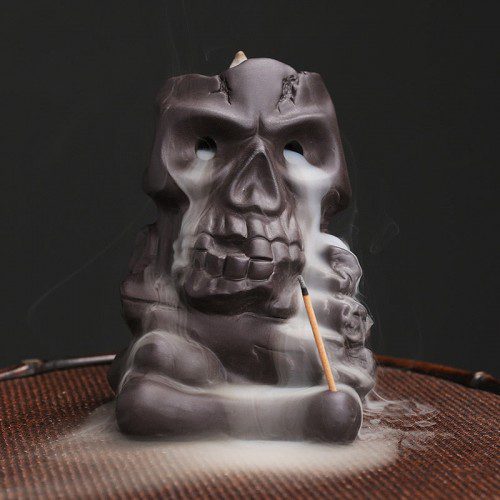 Skull Backflow Incense Burner - Halloween Theme
Original price was: $47.11.$34.50Current price is: $34.50.
Skull Backflow Incense Burner - Halloween Theme
Original price was: $47.11.$34.50Current price is: $34.50.
-
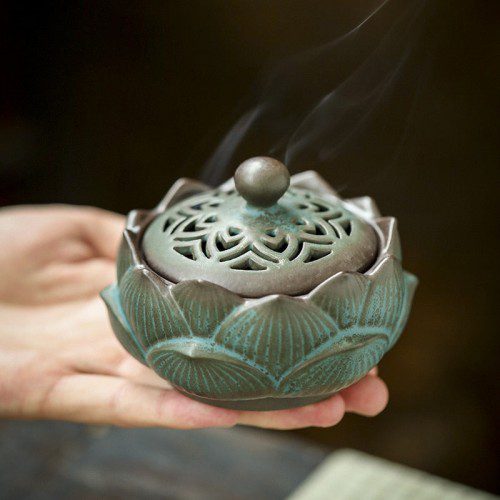 Handcrafted Lotus Ceramic Incense Holder with Coil
Original price was: $39.80.$29.28Current price is: $29.28.
Handcrafted Lotus Ceramic Incense Holder with Coil
Original price was: $39.80.$29.28Current price is: $29.28.
-
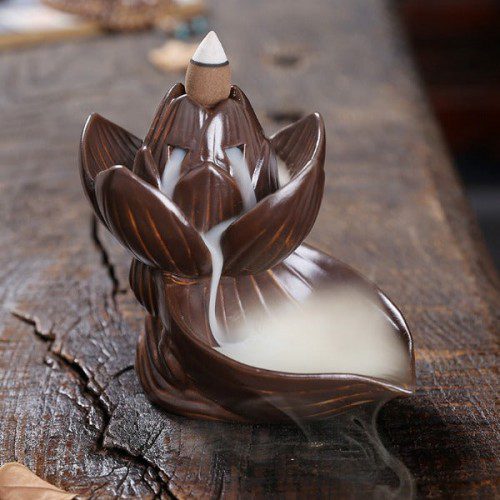 Exquisite Lotus Blossom Incense Holder
Original price was: $48.26.$35.15Current price is: $35.15.
Exquisite Lotus Blossom Incense Holder
Original price was: $48.26.$35.15Current price is: $35.15.
-
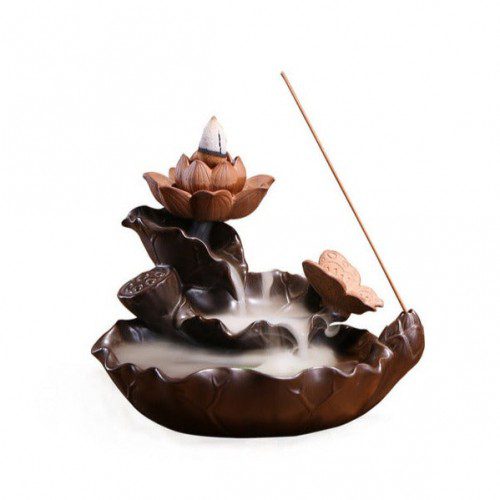 Lotus Pond Creative Incense Cone Burner with Butterfly
Original price was: $42.09.$31.27Current price is: $31.27.
Lotus Pond Creative Incense Cone Burner with Butterfly
Original price was: $42.09.$31.27Current price is: $31.27.
